
Building Ventilation and Moisture Control in SA Structures
The Hidden Architecture of Airflow in South African Buildings
In South African construction and property maintenance, ventilation is often treated like background noise. It is there, assumed, but rarely appreciated until something goes wrong. A musty smell in a coastal apartment in Durban, flaking paint in a Pretoria office block, or black mould creeping along a Cape Town ceiling corner all point to the same silent culprit: poor airflow.
Ventilation is not just about comfort. It is one of the most important structural protection systems a building has. Air movement regulates moisture, and moisture is one of the most aggressive long-term threats to materials like concrete, plaster, timber, and steel.
South Africa’s diverse climate zones, from humid coastal regions to dry inland cities and high-altitude areas, make ventilation design even more critical. A one-size-fits-all approach simply does not work. Buildings must breathe differently depending on where they stand.
When airflow is restricted or poorly designed, moisture begins to accumulate in hidden spaces. Over time, this creates the perfect environment for mould growth, corrosion, and gradual structural breakdown.
Moisture as a Structural Threat, Not Just a Surface Problem
Moisture is often misunderstood as a cosmetic issue. A damp wall is painted over. A mould patch is cleaned. A ceiling stain is ignored until repainting time. But moisture is not superficial. It is deeply structural.
When water vapour becomes trapped inside a building, it condenses on cold surfaces. This process repeats daily, especially in environments where indoor and outdoor temperature differences fluctuate significantly, which is common in many parts of South Africa.
Over time, this repeated condensation cycle causes materials to weaken. Timber swells and warps. Plaster loses adhesion. Steel begins to oxidise. Even concrete, which is often considered permanent, becomes vulnerable through microcracking and reinforcement corrosion.
The danger is not the presence of moisture itself, but its persistence. Buildings are designed to tolerate temporary dampness, not continuous saturation.
This is where ventilation becomes essential. Airflow acts as a regulatory system, removing excess humidity before it settles into structural materials.
How Ventilation Regulates Internal Humidity
Ventilation works by replacing stale, moisture-laden air with drier external air. This exchange reduces relative humidity inside a building, lowering the likelihood of condensation forming on surfaces.
In well-ventilated buildings, moisture generated from daily activities such as cooking, showering, cleaning, and even breathing is continuously dispersed. Without this exchange, humidity levels rise quickly, especially in sealed modern buildings designed for energy efficiency.
In South Africa, this balance is particularly delicate. Coastal regions such as KwaZulu-Natal experience naturally high humidity levels, meaning ventilation systems must actively remove moisture rather than simply circulate air. Inland regions such as Gauteng may experience drier conditions, but rapid temperature shifts between day and night still create condensation risks.
A properly designed ventilation system maintains equilibrium. It does not over-dry or over-humidify. It stabilises the internal environment so that materials remain within safe moisture tolerance levels.
The Relationship Between Airflow and Mould Growth
Mould is not simply a cleaning issue. It is a biological response to environmental conditions. When humidity exceeds a certain threshold and airflow is limited, mould spores find ideal conditions to colonise surfaces.
Bathrooms, kitchens, basements, and poorly ventilated storage areas are particularly vulnerable. In South African homes and commercial buildings, mould often appears first in corners, behind furniture, or inside cupboards where air circulation is weakest.
Once mould establishes itself, it spreads rapidly through microscopic spores. These spores travel through air currents and settle in other damp areas, creating a chain reaction of contamination.
Ventilation disrupts this cycle. By reducing humidity and increasing air movement, it makes surfaces less hospitable for mould growth. Even small improvements in airflow can significantly reduce the likelihood of infestation.
It is important to understand that mould is not only an aesthetic issue. It can degrade building materials and contribute to indoor air quality problems that affect occupants over time.
Climate Diversity in South Africa and Its Impact on Building Design
South Africa’s climate variation introduces unique challenges for building ventilation strategies. Unlike regions with uniform weather patterns, South African buildings must adapt to multiple environmental realities.
Coastal cities such as Cape Town and Durban experience high humidity levels, salt-laden air, and seasonal rainfall. These conditions increase the risk of damp ingress and persistent moisture retention within building envelopes.
In contrast, inland cities such as Johannesburg and Pretoria experience dry winters and summer thunderstorms. Buildings here are exposed to rapid moisture fluctuations, where dry air is suddenly replaced by heavy rainfall and humidity spikes.
In northern regions, heat becomes the dominant factor. High temperatures combined with poor ventilation create internal heat and moisture traps, particularly in low-cost housing and densely occupied buildings.
These variations mean ventilation systems must be context-sensitive. Passive airflow solutions such as windows, vents, and roof ventilation often need to be complemented by mechanical systems in more complex structures.
Passive Ventilation Systems and Their Role in Moisture Control
Passive ventilation relies on natural forces such as wind and thermal buoyancy to move air through a building. This includes strategically placed windows, air bricks, roof vents, and cross-ventilation pathways.
In many South African residential structures, especially older homes, passive ventilation is the primary method of airflow management. When correctly designed, it can be highly effective.
Cross-ventilation, for example, allows air to enter from one side of a building and exit through another, creating continuous movement that prevents stagnation. High-level vents allow warm, moist air to escape, while low-level openings draw in cooler air.
However, passive systems are highly dependent on external conditions. On still, humid days, airflow may be insufficient. In tightly sealed modern buildings, passive systems alone often cannot maintain adequate moisture control.
This is where design awareness becomes critical. Buildings must be constructed with airflow pathways in mind, rather than treating ventilation as an afterthought.
Mechanical Ventilation in Modern Construction
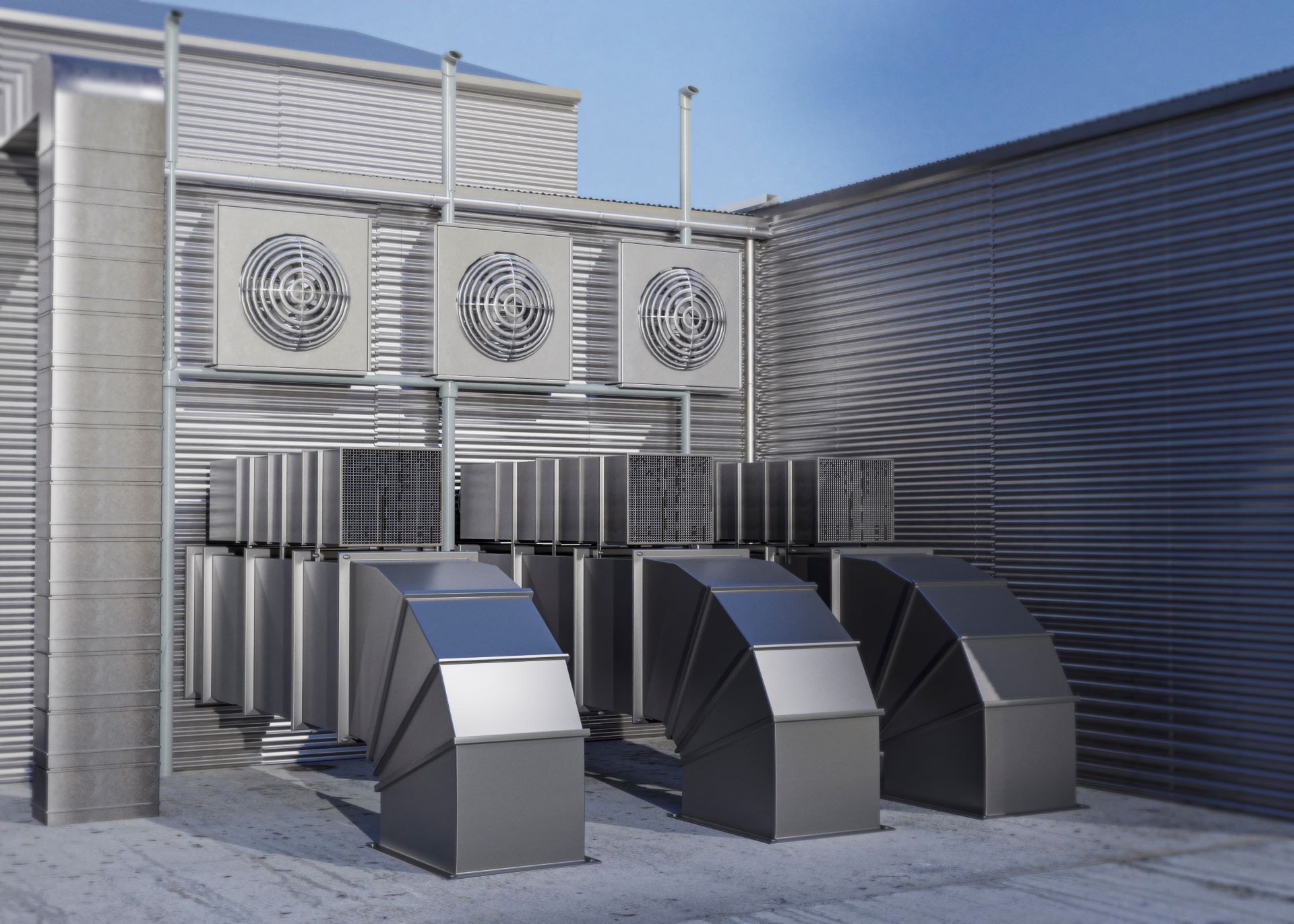
Mechanical ventilation systems provide controlled airflow regardless of external weather conditions. These systems include extractor fans, HVAC units, and whole-building ventilation systems.
In commercial buildings, shopping centres, hospitals, and modern office blocks across South Africa, mechanical ventilation plays a central role in maintaining air quality and moisture balance.
Extractor fans in bathrooms and kitchens are particularly important. These areas generate high levels of humidity in short periods. Without mechanical extraction, moisture quickly spreads into adjacent rooms and ceiling cavities.
HVAC systems go further by regulating temperature and humidity simultaneously. In environments where sensitive equipment or materials are stored, such as laboratories or data centres, this level of control is essential.
While mechanical systems require energy input and maintenance, they offer precision that passive systems cannot match. The key is not choosing one over the other, but integrating both into a balanced ventilation strategy.
Building Envelopes and the Problem of Trapped Moisture
The building envelope, which includes walls, roofs, floors, and insulation layers, is where most moisture-related damage occurs. When ventilation is inadequate, moisture becomes trapped within these layers.
In South African construction, this is particularly problematic in buildings with poor waterproofing or insufficient vapour barriers. Once moisture enters these spaces, it is difficult to remove without proper airflow pathways.
Trapped moisture leads to a slow degradation process. Insulation loses effectiveness. Timber framing begins to rot. Metal fasteners corrode. In extreme cases, structural integrity can be compromised.
The most dangerous aspect of trapped moisture is its invisibility. Damage often occurs long before any surface signs appear.
Ventilation within roof cavities and wall systems is therefore just as important as ventilation in occupied spaces. Ridge vents, soffit vents, and cavity airflow channels all contribute to long-term structural preservation.
The Role of Ventilation in Preventing Structural Decay
Structural decay is not usually caused by a single event. It is the result of long-term exposure to environmental stressors, with moisture being the most significant factor.
When airflow is insufficient, moisture remains in contact with materials for extended periods. This accelerates chemical and biological processes that weaken structural components.
In concrete structures, moisture can penetrate microcracks and reach steel reinforcement, leading to corrosion and expansion. This internal pressure causes cracking and spalling over time.
In timber structures, sustained moisture levels above safe thresholds create conditions for fungal decay. Once wood rot begins, it spreads internally and is often only detected after significant damage has occurred.
Steel components exposed to moisture and oxygen begin to oxidise. Without ventilation to dry surfaces, this process continues uninterrupted.
Ventilation interrupts these cycles. By ensuring that surfaces dry out regularly, it reduces the time window in which decay mechanisms can operate.
Common Ventilation Failures in South African Buildings
Many ventilation problems in South African buildings stem from design oversights rather than construction faults alone.
One common issue is sealed-window retrofitting without considering airflow replacement. While improving insulation and security, this can significantly reduce natural ventilation.
Another frequent problem is blocked vents in roof spaces. Over time, dust, insulation material, or even pest activity can obstruct airflow channels, trapping heat and moisture.
In some low-cost housing developments, ventilation is limited due to cost constraints, resulting in overcrowded and poorly ventilated interior spaces where humidity builds rapidly.
Commercial buildings sometimes suffer from over-reliance on air conditioning without adequate fresh air exchange. This can create artificially controlled environments that still allow moisture accumulation in hidden areas.
Each of these failures shares a common theme: airflow disruption. Whether intentional or accidental, restricting air movement creates long-term moisture risks.
Maintenance Strategies for Effective Ventilation
Maintaining ventilation systems is as important as designing them correctly. Over time, vents, fans, and ducts accumulate dust and debris that reduce efficiency.
Regular inspection of roof ventilation systems helps ensure that air pathways remain open. Extractor fans should be checked for blockages and mechanical wear. Filters in HVAC systems require scheduled replacement to maintain performance.
In residential buildings, simple practices such as opening windows daily, especially in humid conditions, can significantly reduce moisture build-up. In colder inland regions, short, controlled ventilation periods are often more effective than continuous opening.
Building maintenance teams in South Africa increasingly recognise that moisture-related damage is often preventable through routine airflow management. This shift in understanding is gradually changing how properties are managed and maintained.
Energy Efficiency Versus Airflow Balance
Modern construction often prioritises energy efficiency, which can unintentionally conflict with ventilation needs. Highly sealed buildings retain temperature effectively but may restrict natural airflow.
This creates a paradox where energy-efficient buildings are more prone to internal moisture accumulation unless mechanical ventilation is properly integrated.
The solution lies in balance. Airtight construction should always be paired with controlled ventilation systems that ensure continuous air exchange.
In South Africa, where energy costs and climate conditions vary widely, this balance is particularly important. A building that is efficient but damp is ultimately unsustainable.
The Long-Term Economics of Ventilation
Investing in proper ventilation is not just a technical decision but an economic one. Moisture damage is expensive to repair, often requiring structural intervention rather than surface treatment.
Buildings with poor ventilation typically experience higher maintenance costs over time. Repainting becomes frequent. Structural repairs become necessary earlier than expected. Indoor air quality issues may even affect occupancy rates in commercial properties.
In contrast, buildings with well-designed ventilation systems tend to maintain their integrity for longer periods with fewer major interventions.
The cost of airflow management is therefore significantly lower than the cost of repairing moisture-induced damage.
Conclusion: Airflow as a Structural Lifeline
Ventilation is often invisible in the daily experience of a building, but its impact is constantly present. It is the silent system that protects materials, preserves structural integrity, and maintains healthy indoor environments.
In South Africa’s diverse and often challenging climate conditions, airflow is not optional. It is a fundamental requirement for long-term building performance.
Moisture and mould are not isolated problems. They are symptoms of deeper airflow imbalance. When ventilation is properly designed and maintained, these issues are significantly reduced, and buildings are able to perform as intended for far longer periods.
Ultimately, airflow is not just about air. It is about preservation, resilience, and the slow protection of everything a building is made of.