Concrete Formwork Best Practices for Durable Structures
The Backbone of Concrete Structures
Concrete is only as strong as the mold that shapes it. In South African construction, formwork plays a pivotal role in ensuring structural integrity. While concrete itself is praised for its durability, poor formwork can undermine its strength, lead to costly repairs, and compromise safety. Understanding the selection, assembly, and maintenance of reusable formwork is essential for contractors, engineers, and site managers aiming for long-lasting structures.
Choosing the Right Formwork Materials
Selecting appropriate materials is the foundation of reliable formwork. Timber, steel, and plastic are commonly used, each offering distinct advantages. Timber is flexible, cost-effective, and easy to cut on-site but demands proper treatment to resist moisture and repeated use. Steel, though more expensive, offers superior strength, precise alignment, and high reusability, making it ideal for large-scale projects. Plastic and composite formwork have gained traction for modular, lightweight solutions, particularly in urban developments where speed and uniformity are critical. Local sourcing of these materials also ensures compliance with South African building standards while reducing logistical challenges.
Precision Assembly: Aligning Strength with Accuracy
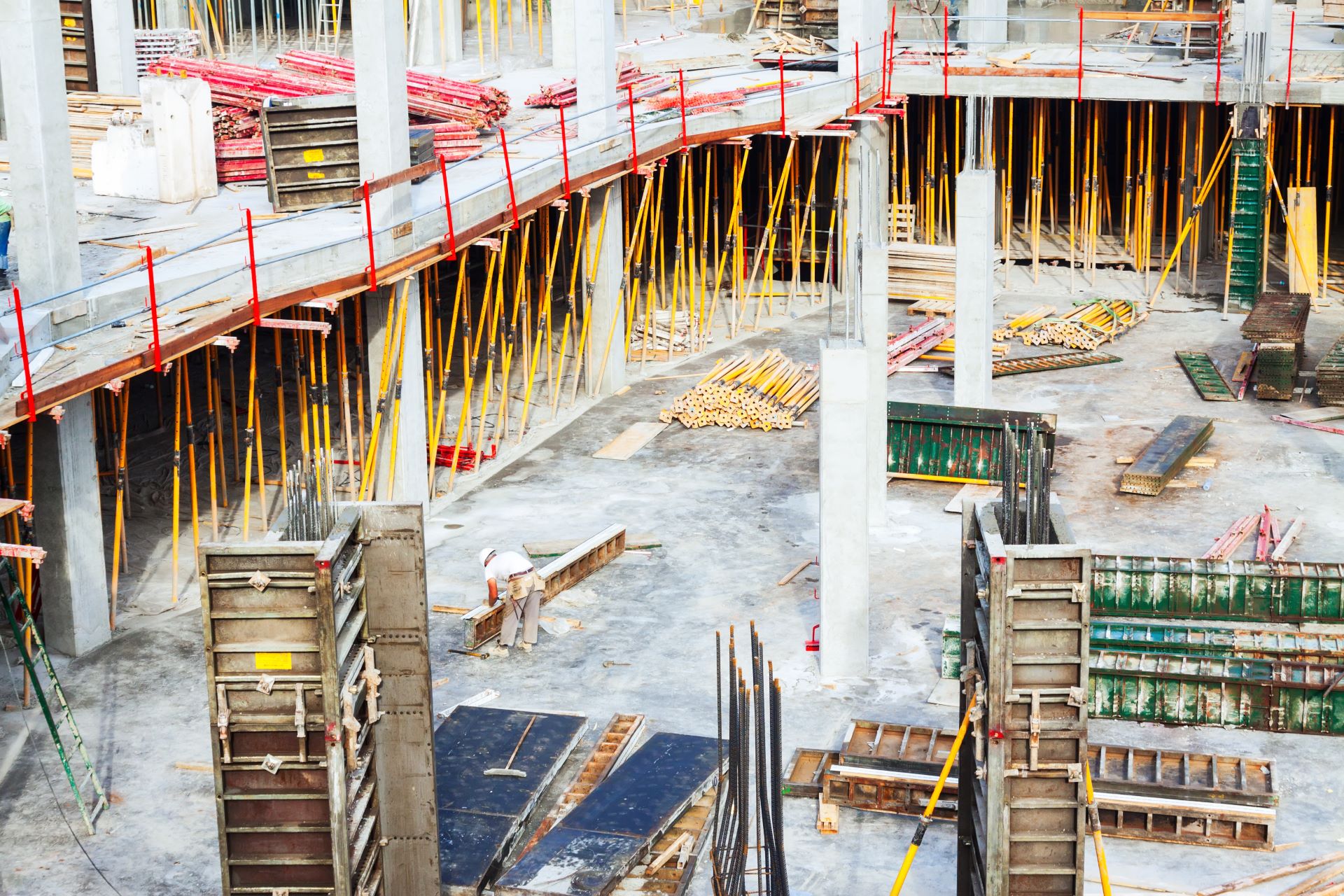
Even the highest-quality formwork fails without careful assembly. Aligning panels and securing joints prevent concrete leakage and misalignment, which can compromise load-bearing capacity. South African sites often contend with uneven terrain and harsh weather, making shoring, bracing, and anchoring essential. Temporary supports must be robust enough to withstand the weight and vibration of freshly poured concrete, yet adjustable to accommodate minor leveling errors. Skilled labor, clear assembly guidelines, and on-site supervision are indispensable for achieving uniform walls, slabs, and columns.
Maintenance of Reusable Forms: Longevity Meets Efficiency
Reusable formwork can deliver substantial savings when properly maintained. After each pour, forms should be cleaned to remove concrete residue, inspected for cracks, and treated with release agents to prevent sticking. Timber forms may require sanding or sealing, while steel forms benefit from rust protection and occasional welding repairs. Scheduled maintenance prolongs lifespan, preserves dimensional accuracy, and ensures that subsequent pours meet quality standards. For South African contractors, investing in proper maintenance routines mitigates project delays, reduces material waste, and maintains compliance with occupational health and safety regulations.
Common Pitfalls and How to Avoid Them
Poor formwork practices are often linked to rushed projects, budget constraints, or inadequate training. Typical mistakes include insufficient bracing, improper joint sealing, and neglecting post-use inspections. In Durban or Johannesburg’s humid climate, moisture can warp timber forms, while steel forms are susceptible to corrosion if left untreated. Avoiding these pitfalls requires a proactive approach: thorough planning, continuous on-site monitoring, and adherence to manufacturer guidelines. Documented checklists and team briefings reinforce accountability and reduce human error, safeguarding both workers and the structure.
Innovations in Formwork Technology
Modern construction increasingly relies on modular and prefabricated formwork systems to improve efficiency and consistency. In South Africa, companies are adopting engineered steel panels, adjustable modular frames, and even 3D-printed formwork for complex geometries. These innovations not only reduce labor demands but also enhance safety by minimizing on-site adjustments and repetitive handling. As the construction industry embraces technology, integrating these systems with traditional materials ensures a balance between cost-effectiveness and performance.
Sustainability Considerations
Sustainable construction is no longer optional. Reusable formwork aligns with green building practices by reducing waste, conserving timber resources, and lowering carbon footprints. Properly maintained steel or composite forms can be used dozens of times, offsetting the environmental impact of single-use timber or plastic forms. In South Africa, sustainable formwork practices also support regulatory compliance for energy-efficient and environmentally responsible buildings.
Building Stronger Foundations
Concrete formwork is more than temporary scaffolding; it is the mold that defines a structure’s strength, precision, and longevity. By selecting the right materials, focusing on meticulous assembly, and committing to consistent maintenance, South African contractors can ensure that every pour results in a safe, durable, and structurally sound building. Investing time and resources in formwork best practices is an investment in the integrity of the structure itself, ultimately saving costs, time, and lives.