
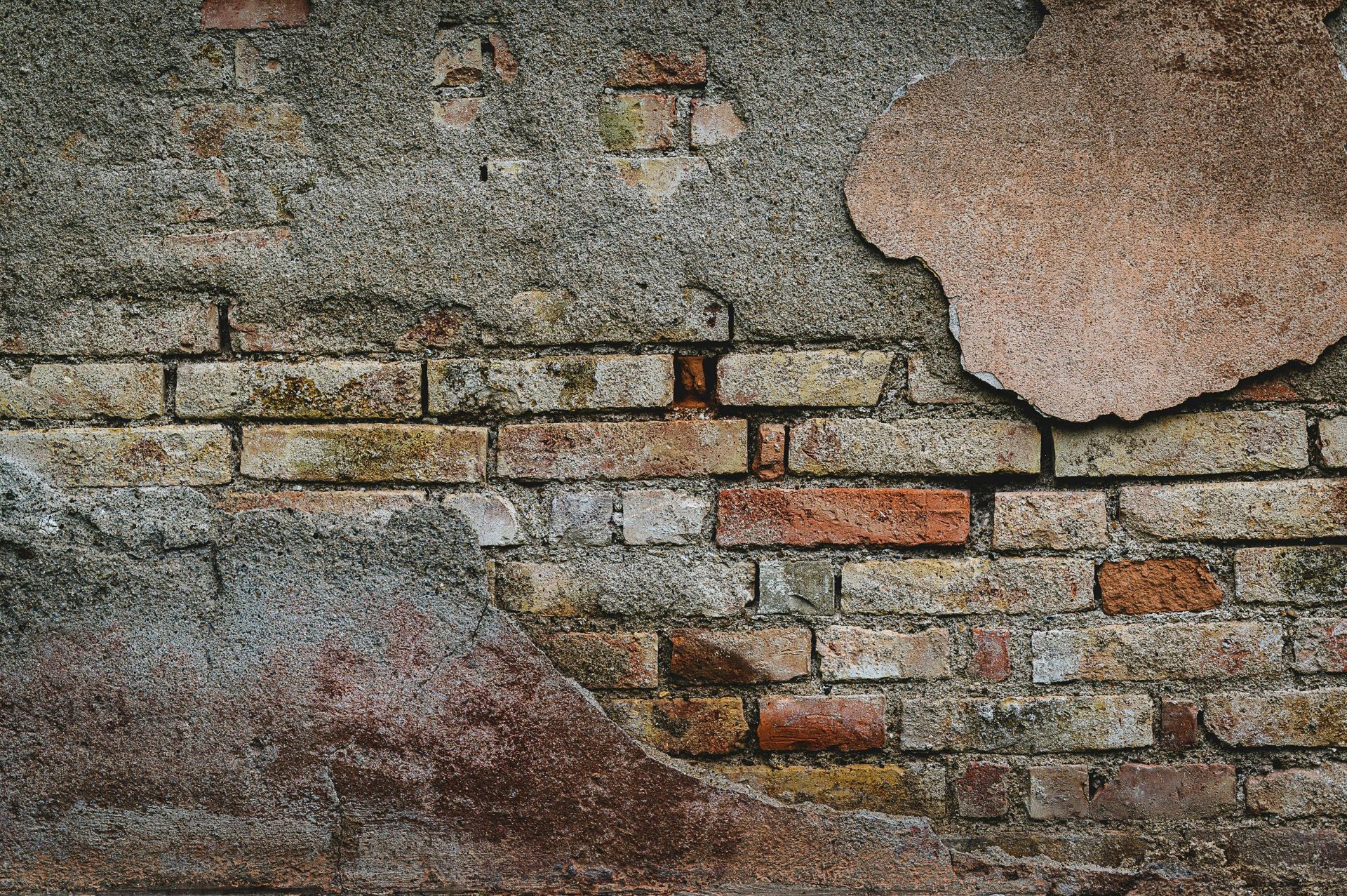
Fix Small Plaster Blisters Before Wall Damage Spreads
Plaster blisters are small, bubble-like defects that form when plaster loses its bond with the wall beneath. In South African homes and commercial buildings, these surface imperfections are more than a cosmetic concern. They often signal moisture movement, poor surface preparation during construction, or aging adhesive strength inside the plaster layer.
The South African climate plays a meaningful role in plaster behaviour. Coastal regions such as Durban experience high humidity levels, while inland areas like Gauteng can cycle between dry winter air and summer thunderstorms. These fluctuations place constant stress on exterior wall finishes. When moisture gets trapped behind plaster, pressure slowly builds like air warming inside a sealed bottle left under the Highveld sun.
If you notice small blister formations early, you are standing at a very helpful crossroads. Repairing them now is usually simple and affordable. Ignoring them allows the defect to grow, eventually causing plaster sections to detach, crack, or fall away.
##Why Small Blisters Should Never Be Ignored
Many property owners assume small wall bubbles are harmless. That is a dangerous assumption because plaster deterioration is rarely a sudden event. It behaves more like corrosion creeping quietly inside steel reinforcement or termites working inside timber.
Blisters usually indicate one of three underlying problems:
• Moisture trapped behind the plaster layer • Weak bonding between plaster and substrate • Inadequate surface preparation during construction or previous repairs
When moisture remains locked inside wall layers, it begins to migrate sideways and upward through microscopic capillary channels. As water warms and evaporates, it pushes outward against the plaster skin. The result is a raised blister that feels hollow when tapped.
In South Africa, external walls near bathrooms, kitchens, and ground-level foundations are especially vulnerable. Poor waterproofing membranes or soil moisture rising through foundation walls can accelerate the problem.
Early repair prevents secondary damage such as paint peeling, mould growth, and structural weakening of the plaster matrix.
##Identifying True Plaster Blisters Versus Surface Paint Defects
Not every bubble on a wall is a plaster failure. Some are simply paint-related defects. Distinguishing between the two is important before starting repair work.
Paint blisters usually appear after a new coat of paint is applied. They tend to be softer and may contain air rather than moisture. Plaster blisters feel firmer but hollow.
The quickest field test is gentle tapping. Use the handle of a screwdriver or small wooden mallet and tap around the raised area. A solid plaster section produces a dull, firm sound. A blistered area produces a slightly hollow echo, like knocking on a door that forgot how to speak.
Another practical observation method is visual edge inspection. If the bubble edge shows cracking plaster powder, bonding failure is likely.
In coastal South African cities, moisture-related blistering is more common because humid air slows evaporation from wall surfaces.
Testing Wall Moisture Before Repair
Moisture testing is the most overlooked step when fixing plaster defects. Repairing blisters without understanding moisture sources is like painting over a leaking pipe.
Professional contractors often use electronic moisture meters, but homeowners can perform basic checks.
Start by cleaning the wall surface around the blister. Remove loose paint dust using a dry brush. Then cover the suspected area with a small piece of plastic sheeting, about the size of a notebook page, and tape the edges securely.
Leave the plastic patch in place for 24 hours.
If condensation forms under the plastic, moisture is moving through the wall. That means the source of dampness must be addressed before plaster patching begins.
Common moisture sources in South African buildings include:
Groundwater rising through unsealed foundation walls
Bathroom steam penetration into adjacent plasterwork
Poorly sealed window frames during rainy seasons
Cracked exterior waterproof coatings
If moisture is present, consider applying a waterproofing treatment or consulting a professional before patch repair.
Preparing the Surface Around the Blister
Surface preparation determines whether your repair will survive the next winter rainstorm in Johannesburg or the summer humidity waves along the coast.
First, use a sharp utility knife to cut around the blister edge. The goal is to remove all weak plaster material surrounding the defect. Cut slightly beyond the visible blister boundary because damaged plaster often extends underneath the surface.
Once cutting is complete, gently chip away loose plaster until you reach firm, sound material that does not crumble when pressed.
Dust removal is critical. South African construction sites often generate fine cement dust that behaves like invisible talcum powder on walls. This dust layer prevents proper bonding between old and new plaster.
Use a dry brush followed by a slightly damp cloth to clean the exposed surface.
Allow the wall to dry completely before patching. Do not rush this stage even if the wind outside feels like it is trying to dry the wall for you.
Understanding Adhesion Failure in Plaster Layers
Poor adhesion is the primary reason plaster blisters form.
Plaster adhesion depends on mechanical bonding and chemical compatibility between plaster mix and wall substrate. When plaster is applied to dusty, overly smooth, or overly dry surfaces, bonding strength decreases dramatically.
In South African construction practice, adhesion failure is often linked to rushed finishing work during high-demand building periods.
If the base wall is concrete, check for laitance layers. Laitance is a weak, powdery cement film that forms on concrete surfaces after curing. It acts like a slippery skin preventing plaster grip.
Removing laitance requires mechanical abrasion or light scabbling before repair plaster is applied.
Selecting the Right Patch Mix for Small Repairs
Choosing the correct plaster patch mix is essential for durability.
For small blister repairs, use a fine repair mortar rather than general-purpose plaster. A commonly reliable approach in South African maintenance work is using a cement-based patch mix with bonding additive.
Typical patching mix guideline:
1 part cement
3 parts fine plaster sand
Water added slowly until a smooth, peanut-butter-like consistency forms
Optional polymer bonding agent for improved adhesion
Avoid making the mix too wet. Excess water weakens final strength and increases shrinkage cracking risk.
Mixing should be done on a clean surface using fresh materials. Old cement that has absorbed atmospheric moisture can compromise patch strength.
If repairing exterior walls in coastal environments such as KwaZulu-Natal, consider adding a waterproofing admixture approved for cementitious repairs.
Applying the Patch Repair Correctly
Dampen the prepared repair area slightly before applying patch mortar. The wall should be moist but not dripping wet.
Apply the patch mix using a small plastering trowel or putty knife. Press the mortar firmly into the cavity to eliminate trapped air pockets.
Build the patch slightly above the surrounding wall surface. Think of it as planting a small hill that will later be sculpted flat once curing begins.
Smooth the surface gently but do not overwork the mortar. Excessive trowel movement can pull cement particles apart and weaken bond strength.
Allow the patch to cure naturally. In hot South African summer conditions, lightly misting the patch with water during the first 24 hours helps prevent rapid drying shrinkage.
Cover the repair with a breathable cloth if the sun is intense. Direct sunlight can act like a ruthless kiln, drying the outer layer too fast while the inner core remains weak.
Sanding and Finishing the Repaired Area
After 24 to 48 hours, check patch hardness.
If the surface feels firm, use fine sandpaper or a rubbing block to level the patch with surrounding plaster. Move slowly. Rushing sanding work creates low spots that become visible after painting.
Dust must be removed again before painting begins. Wipe the repair zone with a slightly damp cloth and allow it to dry.
In South African practice, applying a quality primer before final paint coating significantly improves long-term durability.
Primer acts like a diplomatic ambassador between old plaster and new paint, helping them coexist peacefully through temperature cycles and rainstorms.
Painting the Repaired Wall Section
Choose exterior paint suited to the local environment.
In coastal regions, select paint products designed to resist salt air exposure. Inland areas should focus on UV resistance and thermal expansion tolerance.
Apply at least two thin coats rather than one thick coat. Thick paint layers trap moisture and can recreate blistering conditions.
Allow sufficient drying time between coats according to manufacturer instructions.
Avoid painting immediately after heavy rain or during high humidity afternoons.
South African weather can change quickly, especially in summer thunderstorms that rise like theatrical curtains across the sky.
Preventing Future Plaster Blisters
Prevention is always cheaper than repair work.
Good construction practice begins during initial wall finishing.
Ensure walls are properly waterproofed at foundation level. Install or repair damp-proof courses where necessary. Inspect exterior wall sealants around windows and roof joints annually.
Vegetation growing directly against exterior walls should be trimmed. Plant leaves can hold moisture against plaster surfaces overnight, encouraging micro-damp penetration.
If the building is located in a high rainfall zone such as parts of the eastern coastline, schedule wall inspections at the end of the rainy season.
Small inspections are like listening quietly to the building’s breathing patterns.
When to Call a Professional Contractor
Some blistering problems indicate deeper structural or moisture intrusion issues.
Seek professional help if:
Blisters reappear in the same location after repair
Multiple blister clusters form across large wall areas
The plaster sounds hollow over wide sections
Cracks accompany blister formation
Damp patches remain visible even after repair
Professional maintenance teams can perform detailed moisture mapping and structural assessment.
In South Africa’s aging urban housing stock, early expert intervention can save significant repair costs.
Long-Term Wall Health in South African Conditions
Buildings are not static objects. They respond continuously to climate rhythm, rainfall memory, and human maintenance behaviour.
Plaster surfaces act like protective skin layers. When skin is healthy, the structure beneath remains safe.
Regularly inspect exterior walls after seasonal weather changes. Look for early signals such as tiny bubbles, colour patches, or paint lifting edges.
Maintenance is less about heroic repair moments and more about gentle, consistent attention.
Think of wall care as tending a quiet garden that sits vertically against the sky.
Small plaster blisters are warning whispers from the building itself. They speak about moisture movement, surface bonding strength, and environmental pressure cycles common in South African climates.
Repairing them early requires careful moisture testing, proper surface preparation, and correct patch mixing. The process is straightforward enough for experienced homeowners yet detailed enough to reward professional craftsmanship.
By treating plaster defects as early signals rather than cosmetic annoyances, property owners can preserve wall integrity, protect paint investments, and extend the life of exterior finishes across hot summers, humid coastal winds, and cold inland winters.
Regular inspection, thoughtful repair, and moisture management together form the quiet architecture of durable buildings in South Africa.
When plaster speaks through tiny bubbles, listen carefully. The wall is simply asking for a small, timely kindness before its surface story grows louder.