Maintenance Challenges in South Africa’s Mixed-Use Buildings
Understanding Maintenance in Mixed-Use Buildings
Mixed-use buildings are architectural conversations between different lifestyles and working rhythms. They hold people who sleep, people who shop and people who earn their living behind desks, all under one structural umbrella. But while the building stands as a single physical entity, the spaces inside it behave like three different organisms sharing the same skeleton.
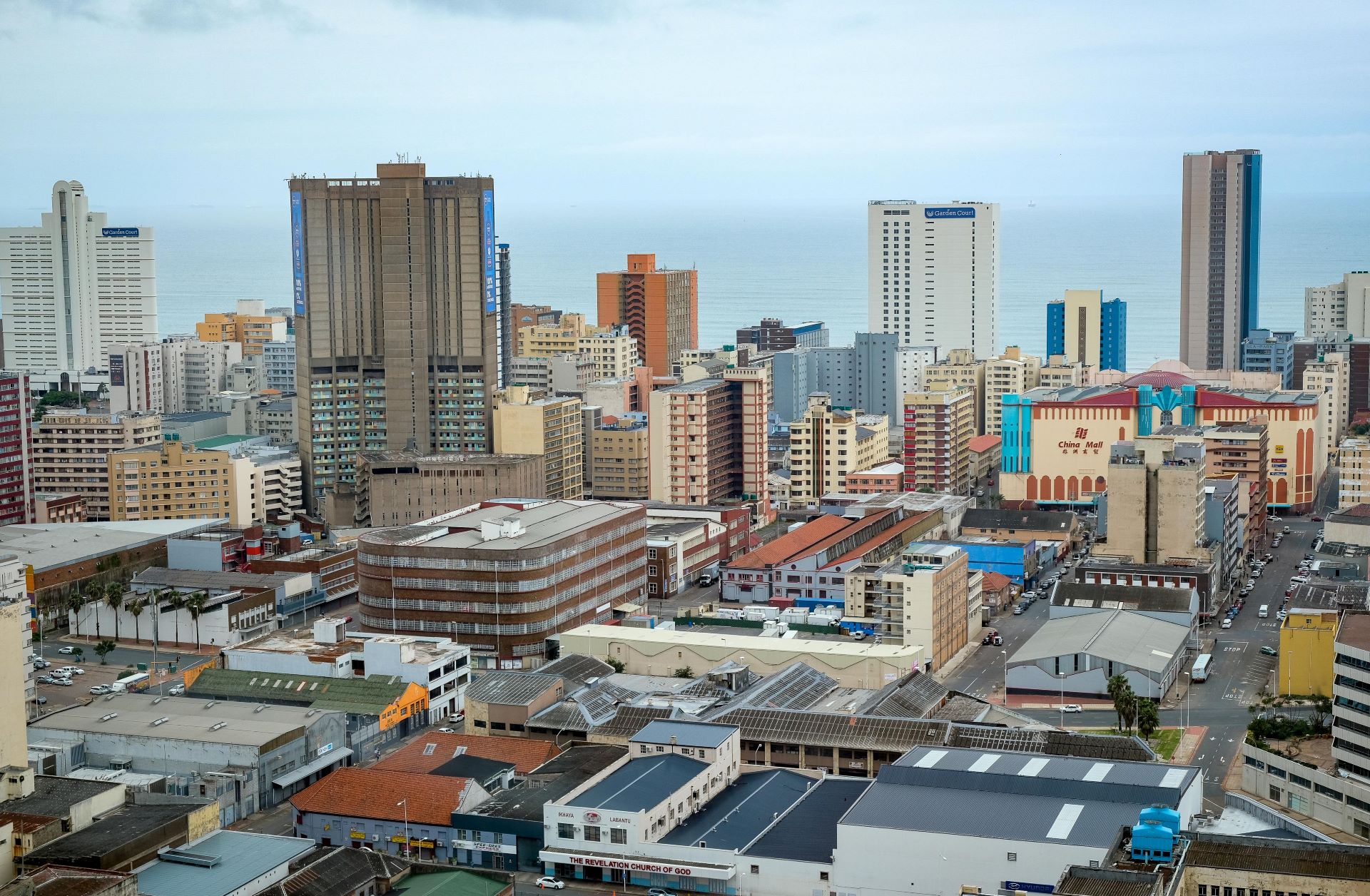
In South Africa, mixed-use developments are becoming increasingly common in urban centres such as Johannesburg, where land scarcity and densification pressures encourage vertical integration of residential, retail and office environments. The challenge for property owners and facility managers is that these zones do not age at the same pace.
Different activities produce different types of wear. Foot traffic patterns, humidity levels, equipment loads and even social behaviour leave unique maintenance signatures. Retail areas tend to experience aggressive surface degradation. Residential sections face constant moisture exposure and domestic usage stress. Office zones sit somewhere in between but introduce technological and infrastructure fatigue.
The maintenance philosophy for mixed-use buildings must therefore shift from uniform repair scheduling to zone-specific lifecycle management. In South Africa, compliance standards from organisations such as the South African Bureau of Standards also influence maintenance protocols, especially where electrical safety, structural performance and fire protection are concerned.
When maintenance is treated as a layered discipline rather than a single activity, property owners protect long-term asset value while reducing unexpected operational disruptions.
Why Different Spaces Age Differently
Buildings are not static machines. They are living systems responding to human presence, weather patterns and mechanical stress. In mixed-use developments, these forces are amplified by diversity of function.
Residential zones usually experience slower structural fatigue but more continuous environmental exposure. Kitchens generate steam, bathrooms produce condensation, and daily living introduces subtle but persistent wear.
Retail spaces, by contrast, are theatrical environments of movement. Shoppers entering and leaving shops carry fine dust from streets, especially in busy urban corridors. Floor tiles are scraped by trolleys, glass façades are repeatedly touched, and lighting systems operate for extended commercial hours.
Office spaces are shaped by technological density. Computer networks, air-conditioning systems and lighting grids work relentlessly during business hours. Although physical abrasion is lower than in retail zones, mechanical and electrical fatigue accumulates silently inside walls and ceilings.
South African climatic conditions add another layer to this ageing puzzle. Coastal humidity in regions such as Durban accelerates corrosion and paint degradation, while inland dust exposure contributes to filtration blockage and surface dulling.
Residential Zones: Comfort, Moisture and Structural Protection
Residential sections of mixed-use buildings are the emotional heartbeats of urban living. People cook, rest, raise families and retreat from the chaos of city streets behind apartment doors.
The primary maintenance enemy in these zones is moisture. Bathrooms, laundry areas and kitchens generate continuous vapour cycles. Without proper ventilation design, condensation migrates into wall cavities and weakens plaster adhesion.
Paint blistering, mould formation and skirting board swelling are common warning signs that moisture control systems are failing. In South African developments, waterproofing quality is particularly important because seasonal rainfall patterns can place pressure on exterior wall assemblies.
Structural maintenance inside residential zones should prioritise window sealing, balcony drainage and roof membrane integrity. Many mixed-use buildings in South Africa use reinforced concrete structures, and micro-cracking can develop when thermal expansion meets humidity saturation.
Property managers should schedule annual inspections of plumbing risers, bathroom waterproofing layers and balcony slopes. Water must always be guided away from living spaces rather than allowed to stagnate in hidden corners.
Ventilation is another critical component. Mechanical extraction systems must be cleaned and tested regularly to prevent airflow resistance. A sluggish extractor fan is not just inconvenient; it is an incubator for microbial growth and long-term plaster damage.
Flooring inside residential units usually experiences moderate load stress but is exposed to domestic cleaning chemicals. Overuse of harsh cleaning agents can degrade grout lines and strip protective coatings from tiles.
In developments built under older construction standards, upgrading waterproofing materials to modern polymer-modified membranes can dramatically extend residential zone lifespan.
Retail Zones: The Battlefield of Foot Traffic
Retail areas are the most visually sensitive components of mixed-use buildings because commercial perception directly affects revenue generation.
Shoppers subconsciously evaluate store quality through floor shine, lighting brightness and façade cleanliness. If surfaces appear tired or neglected, customers may associate that visual fatigue with product quality, even if the merchandise inside is excellent.
Flooring is the primary maintenance casualty in retail environments. Ceramic tiles, stone finishes and polished concrete surfaces experience continuous friction from shoes, packaging carts and cleaning equipment.
In high-traffic shopping corridors, micro-abrasion gradually dulls reflective surfaces. Periodic mechanical polishing is therefore essential. Maintenance teams should establish polishing cycles based on visitor volume rather than fixed calendar dates.
Glass façades are another retail maintenance priority. Urban dust, pollution residue and bird activity can obscure storefront visibility. Regular external cleaning not only improves appearance but also protects glazing coatings.
Lighting systems in retail zones are usually designed for visual marketing impact. However, commercial lighting operates for long hours, generating heat stress inside fixtures and accelerating bulb failure rates. Modern LED systems reduce maintenance frequency but still require periodic electrical testing.
Retail fire safety systems must never be neglected. Sprinkler lines, smoke detectors and emergency exits are legally and morally critical components of public safety. Compliance with the standards issued by the South African Bureau of Standards helps ensure that commercial zones remain operationally secure.
Storefront doors are another underestimated maintenance zone. Automatic sliding doors carry constant mechanical strain. Dust accumulation inside track mechanisms can slowly transform smooth commercial entrances into stubborn, hesitant gates.
Because retail zones directly influence customer psychology, maintenance crews should prioritise rapid response repairs. A broken light fitting above a main corridor should never wait for the next scheduled maintenance cycle.
Office Zones: Infrastructure Memory and Silent Wear
Office environments are often perceived as the most stable areas of mixed-use buildings, but their maintenance complexity lies in invisibility.
Unlike retail zones, where damage is obvious, office wear is usually hidden behind ceiling panels and inside network conduits.
Air-conditioning systems are the most critical mechanical organs of office spaces. In South Africa’s warm climate, climate control systems operate extensively throughout the working day.
Filter replacement schedules should follow manufacturer recommendations, but practical experience often shows that dusty urban environments require more frequent servicing.
Cable management infrastructure is another long-term concern. Modern offices depend on continuous digital connectivity, yet network cables can deteriorate if exposed to excessive heat or physical pressure.
Electrical load balancing is especially important in older mixed-use developments where office equipment density has increased beyond the original design assumptions. Overloaded circuits can create safety hazards and shorten component lifespan.
Ceiling cavity inspections should be conducted periodically. Water leaks from upper residential units can silently migrate into office lighting systems, creating electrical risks before any visual warning appears.
Furniture arrangement patterns also influence office maintenance. Heavy filing cabinets placed repeatedly in the same position can cause localised flooring compression.
In South African commercial buildings, power stability is another operational reality. Backup systems should be tested regularly to ensure business continuity during grid disruptions.
##The Role of Preventive Maintenance Scheduling
Preventive maintenance is the economic philosophy that protects buildings from dramatic repair expenses.
Rather than waiting for failures, property managers should monitor early indicators of material fatigue.
A good maintenance programme begins with detailed zone mapping. Each mixed-use building should be divided into functional maintenance territories rather than treated as a single structure.
Inspection cycles can vary. High-traffic retail corridors may require monthly surface checks. Residential plumbing systems might follow quarterly inspection routines. Office infrastructure can be monitored biannually if usage intensity is moderate.
Documentation is equally important. Maintenance history records allow facility managers to predict failure trends and plan budget allocations.
Technology is slowly transforming maintenance management in South Africa. Digital monitoring sensors can track humidity levels, structural vibration and temperature variations inside building zones.
Even simple smartphone inspection photography can help track surface deterioration patterns over time.
Water Management: The Invisible King of Building Longevity
Water is the most persistent architect of structural destiny. It shapes buildings slowly, patiently and without announcement.
South African mixed-use developments must pay special attention to stormwater routing, roof drainage and façade sealing. Coastal cities are particularly vulnerable to salt-laden moisture that accelerates metal corrosion.
Roof gutters should be cleared before seasonal rainfall peaks. Leaves, dust and urban debris can create miniature dams that force water backwards into structural joints.
Sealant joints around windows and balconies should be inspected for elasticity loss. Once sealants harden and crack, water infiltration becomes inevitable.
Waterproofing membranes on flat roofs are especially important in modern developments. Thermal cycling caused by sunlight during the day and cooling temperatures at night creates expansion stress inside building materials.
Ignoring minor water stains is a dangerous psychological habit in property management. A small brown mark on a ceiling is often the visible tip of a moisture migration path that may extend several metres behind plaster layers.
Structural Integrity Monitoring
Mixed-use buildings in South Africa are often constructed using reinforced concrete frames. While these structures are durable, they are not immortal.
Micro-cracking is a natural consequence of load redistribution and environmental stress. Cracks should be assessed by qualified engineers rather than visually patched by untrained workers.
Reinforcement corrosion is a serious concern in coastal developments. When moisture penetrates concrete and reaches steel reinforcement bars, rust expansion can create internal pressure that slowly forces concrete covers to spall.
Maintenance teams should monitor balcony edges, parking garage pillars and external staircases.
The temptation to delay structural inspections is understandable because these assessments can be expensive. However, structural failure repair costs increase exponentially when early warning signs are ignored.
Fire Safety and Emergency Infrastructure
Fire protection is non-negotiable in mixed-use developments because these buildings host large population densities.
Smoke extraction systems, emergency lighting and exit signage must be tested regularly.
Commercial kitchens inside retail restaurants introduce additional fire risk due to grease accumulation inside extraction ducts.
Emergency stairwells should never be used for storage. Even temporary storage behaviour can transform escape routes into dangerous corridors during crises.
Training building occupants about evacuation procedures is as important as mechanical maintenance.
##The Human Factor in Maintenance
Buildings do not fail only because materials weaken. They also fail because human behaviour sometimes ignores warning signals.
Residents may ignore small plumbing leaks because they are inconvenient to report. Shop owners may postpone maintenance requests to avoid temporary business interruption. Office tenants may rearrange equipment without considering ventilation design.
Successful mixed-use maintenance programmes depend on communication between property managers, tenants and service contractors.
Clear reporting channels should be established. Response times must be defined so that maintenance requests do not disappear inside administrative ambiguity.
Economic Value of Proper Maintenance
Maintenance is often misunderstood as a cost centre, but it is actually an asset preservation strategy.
Well-maintained mixed-use buildings attract higher quality tenants and achieve better occupancy stability. In competitive urban markets such as Johannesburg, property reputation can influence rental pricing and investment attractiveness.
Insurance premiums may also be affected by maintenance history. Buildings with documented safety and inspection records are often viewed more favourably by insurers.
Long-term maintenance planning should be considered part of financial forecasting rather than operational afterthought.
Future Trends in Mixed-Use Building Care
The future of building maintenance is quietly digital.
Sensor-based monitoring, predictive analytics and automated reporting systems are gradually entering South African property management practice.
Smart building technology can warn facility managers before air-conditioning motors fail or before moisture levels reach dangerous thresholds.
Sustainability considerations are also gaining importance. Energy-efficient lighting, water recycling systems and environmentally friendly construction materials are becoming standard expectations.
As urban populations grow, mixed-use developments will continue to rise vertically rather than horizontally. Maintenance strategies must evolve alongside this architectural ambition.
Mixed-use buildings are not single personalities but communities of structure, commerce and living energy sharing the same physical heart.
Residential zones demand moisture protection and ventilation intelligence. Retail zones require surface preservation and customer-facing cleanliness. Office zones rely on invisible infrastructure health and technological continuity.
In South Africa’s diverse climatic and economic landscape, maintenance is not merely technical labour. It is a long-term stewardship commitment that protects property value, occupant safety and urban functionality.
When maintenance is approached with patience, observation and strategic planning, mixed-use buildings can remain vibrant urban ecosystems long after the first concrete pour hardened under the African sun.