Paving the Way: Smart Tricks for Sidewalk & Driveway Care
Sidewalks and driveways are often overlooked elements of a property, yet they play a critical role in safety, aesthetics, and property value. Cracks, erosion, and uneven surfaces not only pose a tripping risk but also accelerate deterioration if left unattended. The combination of harsh weather, soil movement, and heavy use can quickly transform a once-smooth pathway into a liability. Proactive maintenance is key, and it doesn’t have to be expensive.
Investing time in small, consistent upkeep tasks ensures your walkways remain functional, safe, and visually appealing. Moreover, preventative maintenance can save thousands in repair costs over time.
Common Causes of Sidewalk and Driveway Damage
Concrete, asphalt, and pavers are all susceptible to specific stressors. Understanding these causes is the first step toward prevention:
• Weather Extremes: Freeze-thaw cycles can crack concrete and heave pavers.
• Tree Roots: Roots growing beneath surfaces lift slabs, creating uneven surfaces and trip hazards.
• Water Erosion: Improper drainage channels water underneath slabs, washing away the substrate and weakening the surface.
• Heavy Traffic: Driveways, in particular, suffer from constant vehicular pressure, leading to cracks and ruts.
• Poor Initial Installation: Substandard materials or inadequate compaction often result in early failure.
Knowing the origin of damage allows property owners to target specific solutions, whether it’s root barriers, sealants, or proper drainage systems.
Affordable Repairs for Cracks and Chips
Minor damage can often be remedied without replacing entire slabs. These repairs not only restore functionality but also prevent small issues from becoming costly projects.
For small cracks in concrete, a concrete crack filler is ideal. It’s easy to apply, dries quickly, and prevents water from seeping in. Polyurethane or epoxy-based fillers are particularly effective for high-traffic areas.
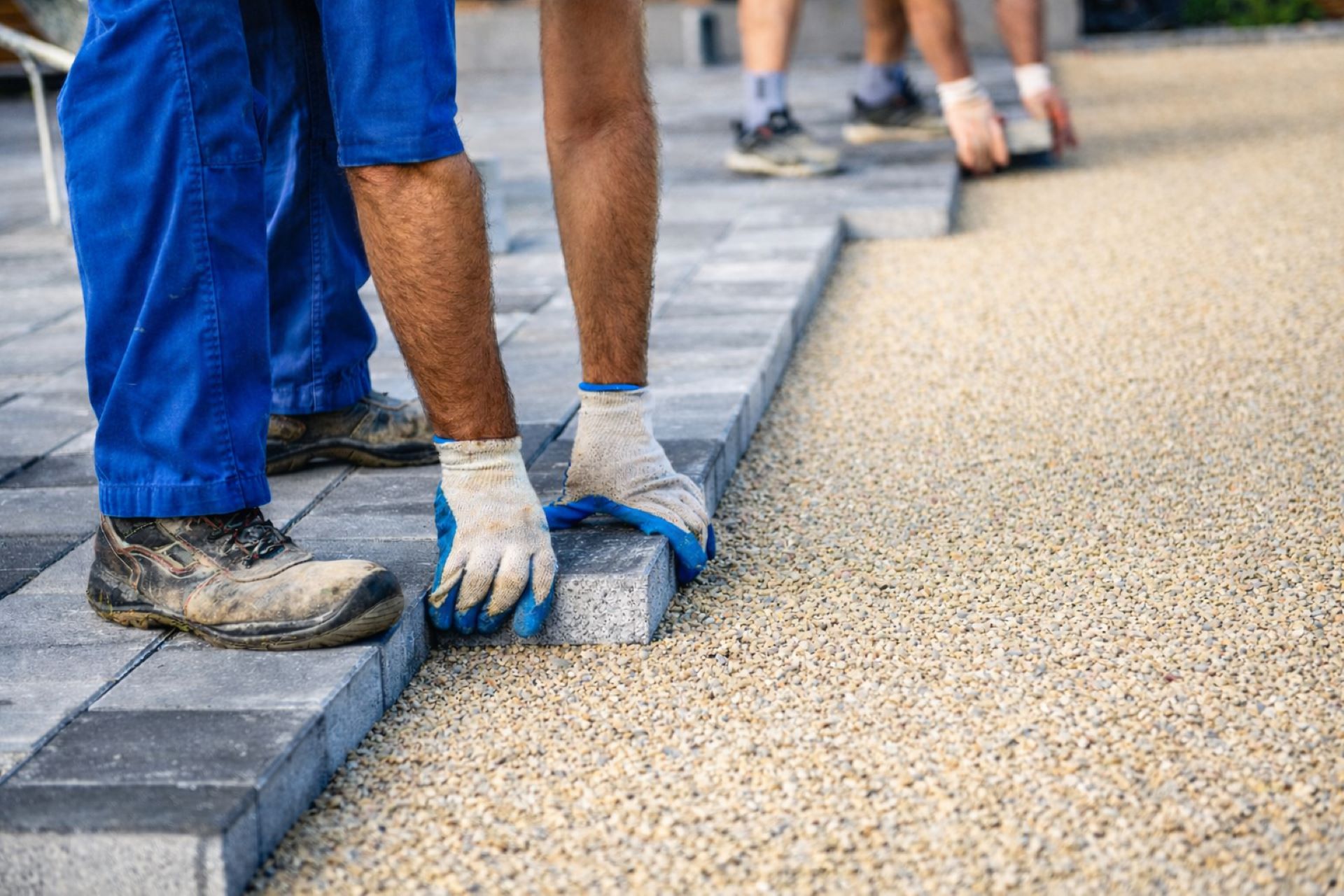
When pavers shift or sink, sand or polymeric sand can be swept into gaps to stabilize the surface. For asphalt, crack sealants and patch compounds restore integrity and prolong lifespan.
Driveways that exhibit minor sinking may benefit from mudjacking or slab jacking, a method where a mixture is pumped beneath the slab to lift it. While slightly more technical, it’s far cheaper than full replacement and maintains the driveway’s original materials.
Preventive Maintenance: The Routine That Saves Money
Routine inspections and simple preventive measures drastically reduce long-term repair costs.
• Inspect sidewalks and driveways at least twice a year, particularly after winter or rainy seasons.
• Clear debris, leaves, and dirt, which trap moisture and accelerate erosion.
• Reseal concrete and asphalt every few years to prevent water infiltration.
• Trim trees near walkways to reduce root-related damage.
• Ensure proper grading and drainage to keep water away from slabs.
Establishing a predictable schedule of minor maintenance tasks allows property owners to spot early signs of wear and act quickly before expensive repairs become necessary.
Surface Treatments That Protect and Extend Lifespan
Applying protective treatments can significantly enhance durability. Concrete sealers, for instance, create a barrier against moisture, stains, and freeze-thaw damage. Acrylic, epoxy, or silane-siloxane sealers are widely used depending on the intended finish and exposure conditions.
Asphalt surfaces benefit from sealcoating, which restores the black finish, fills micro-cracks, and protects against UV damage. For paver walkways, joint stabilizers and polymeric sand prevent shifting and weed growth, maintaining an even surface for years.
Adding a non-slip finish to both concrete and asphalt is particularly important in high-traffic pedestrian areas, reducing the risk of slips and falls while increasing safety compliance.
Smart Tools and Materials for DIY Repairs
For homeowners or small property managers, investing in the right tools simplifies maintenance.
• Concrete trowels and float tools for smoothing patch repairs.
• Caulking guns and sealant tubes for cracks in both asphalt and concrete.
• Pressure washers to clean surfaces before sealing or sanding.
• Rubber mallets and levelers for adjusting pavers or stones.
• Compaction plates to stabilize gravel or base layers.
Combining the correct materials with precise application ensures longevity and a professional finish without hiring contractors for minor repairs.
Drainage Solutions to Prevent Erosion and Cracks
Water is often the hidden culprit behind sidewalks and driveways’ premature deterioration. Investing in proper drainage systems protects both surfaces and surrounding landscaping.
Installing French drains, trench drains, or channel drains directs water away from slabs and prevents pooling. Additionally, grading the area so water naturally flows away from structures avoids the accumulation of excess moisture, which leads to erosion, moss growth, and eventual cracking. Even small adjustments in slope can have a significant impact on longevity.
Dealing with Tree Roots and Landscaping Challenges
Tree roots are persistent and can damage even the best-laid paths. Instead of removing trees entirely, consider root management techniques:
Root barriers can be installed along the walkway’s edge to redirect growth.
• Raised walkways or flexible paver systems accommodate gradual root expansion.
• Routine root pruning, conducted carefully, helps reduce upward pressure without harming the tree.
• Integrating landscaping and pavement planning ensures both natural and built environments coexist without creating safety hazards.
Innovative Materials for Long-Term Durability
Emerging materials offer homeowners more resilient options for sidewalks and driveways. Permeable concrete, for example, allows water to seep through the surface, reducing erosion and freeze-thaw damage. Rubberized asphalt provides flexibility and resists cracking under extreme temperatures.
For decorative purposes, stamped or colored concrete combines aesthetic appeal with durability, while interlocking pavers provide easy maintenance and replacement options. By selecting the right material for the location and expected load, long-term maintenance needs are greatly reduced.
Budget-Friendly Tips for Large Areas
Large driveways or extensive pedestrian zones need strategic planning to keep costs manageable:
• Divide projects into sections to spread expense over time.
• Prioritize high-traffic areas for immediate attention.
• Reuse or recycle materials where possible, such as reclaimed pavers.
• Combine preventive sealing with minor repairs to maximize effect.
Even for commercial or municipal properties, small investments in preventative measures pay dividends in safety, compliance, and aesthetics.
Maintain Today, Save Tomorrow
Sidewalk and driveway maintenance is more than a cosmetic concern—it’s an investment in safety, property value, and long-term cost efficiency. Affordable fixes, preventive routines, and strategic material choices allow property owners to stay ahead of deterioration.
With regular inspections, timely repairs, and smart drainage and root management, sidewalks and driveways can remain functional and visually appealing for decades. In essence, paving the way for long-lasting surfaces is a commitment that pays off in safety, satisfaction, and savings.