Why Preventative Maintenance Is Critical for Commercial Buildings
The Role of Preventative Maintenance
Commercial buildings operate under constant use, making them more vulnerable to wear and system failure. Preventative maintenance focuses on identifying and resolving issues before they disrupt business operations.
Key Areas That Require Regular Attention
Electrical Systems
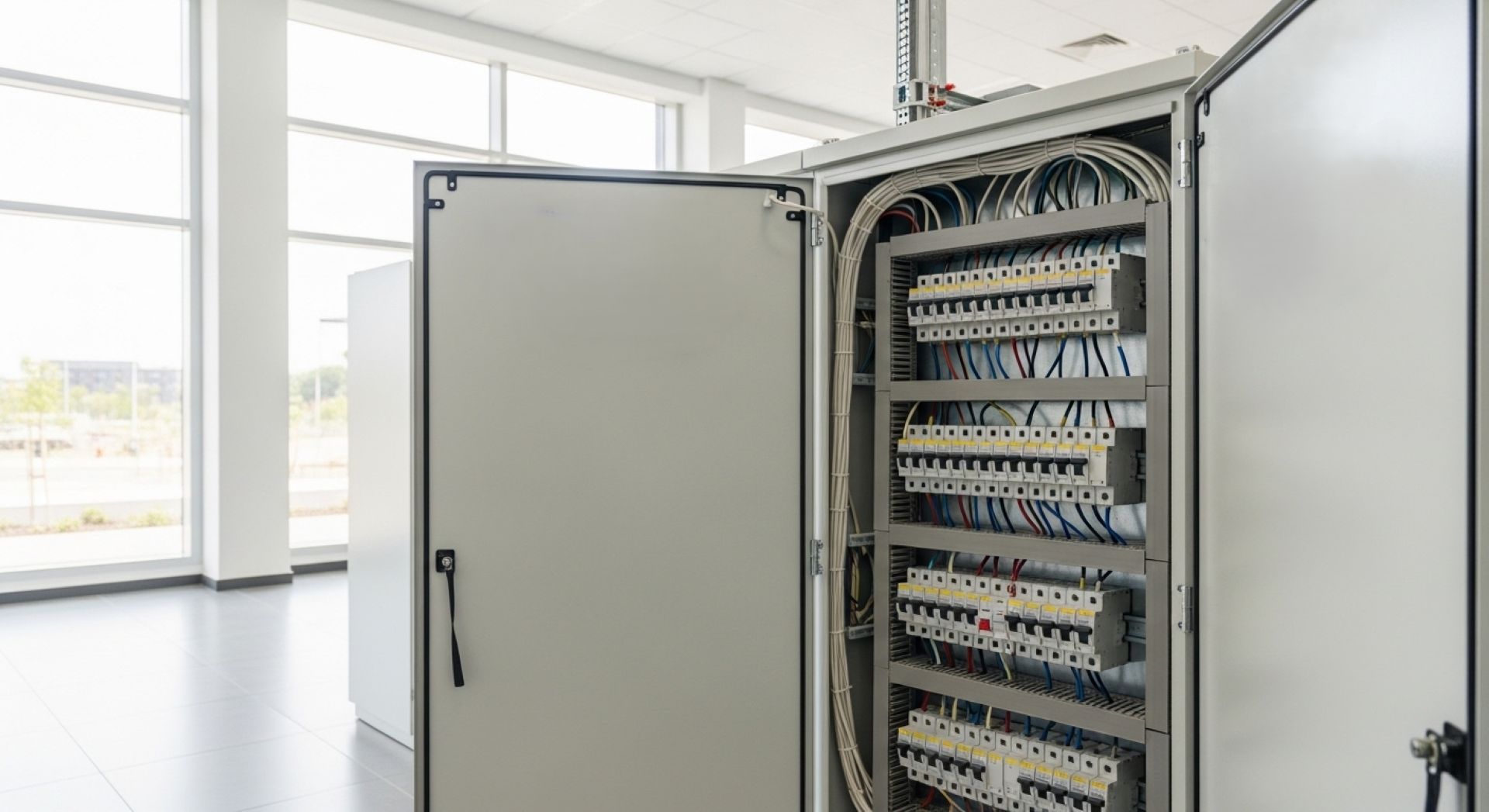
Routine inspections help identify overloaded circuits, failing components, and compliance risks before they cause outages or safety incidents.
Plumbing Infrastructure
Small leaks, pressure issues, or blocked drains can escalate into major disruptions if not addressed early.
Roofing and Waterproofing
Commercial roofs are exposed to harsh weather conditions. Scheduled inspections reduce the risk of leaks and structural deterioration.
HVAC and Mechanical Systems
Well-maintained systems improve energy efficiency, air quality, and tenant comfort.
Benefits of Preventative Maintenance
- Reduced emergency call-outs
- Lower long-term repair costs
- Improved safety and compliance
- Predictable maintenance budgeting
- Minimal business disruption
Compliance and Liability
Many commercial properties are required to meet specific safety and compliance standards. Preventative maintenance helps ensure these obligations are met, reducing legal and insurance risks.
Conclusion
Preventative maintenance is not an expense—it’s an investment in reliability, safety, and long-term property value. A structured maintenance plan keeps commercial buildings operational and compliant throughout the year.