
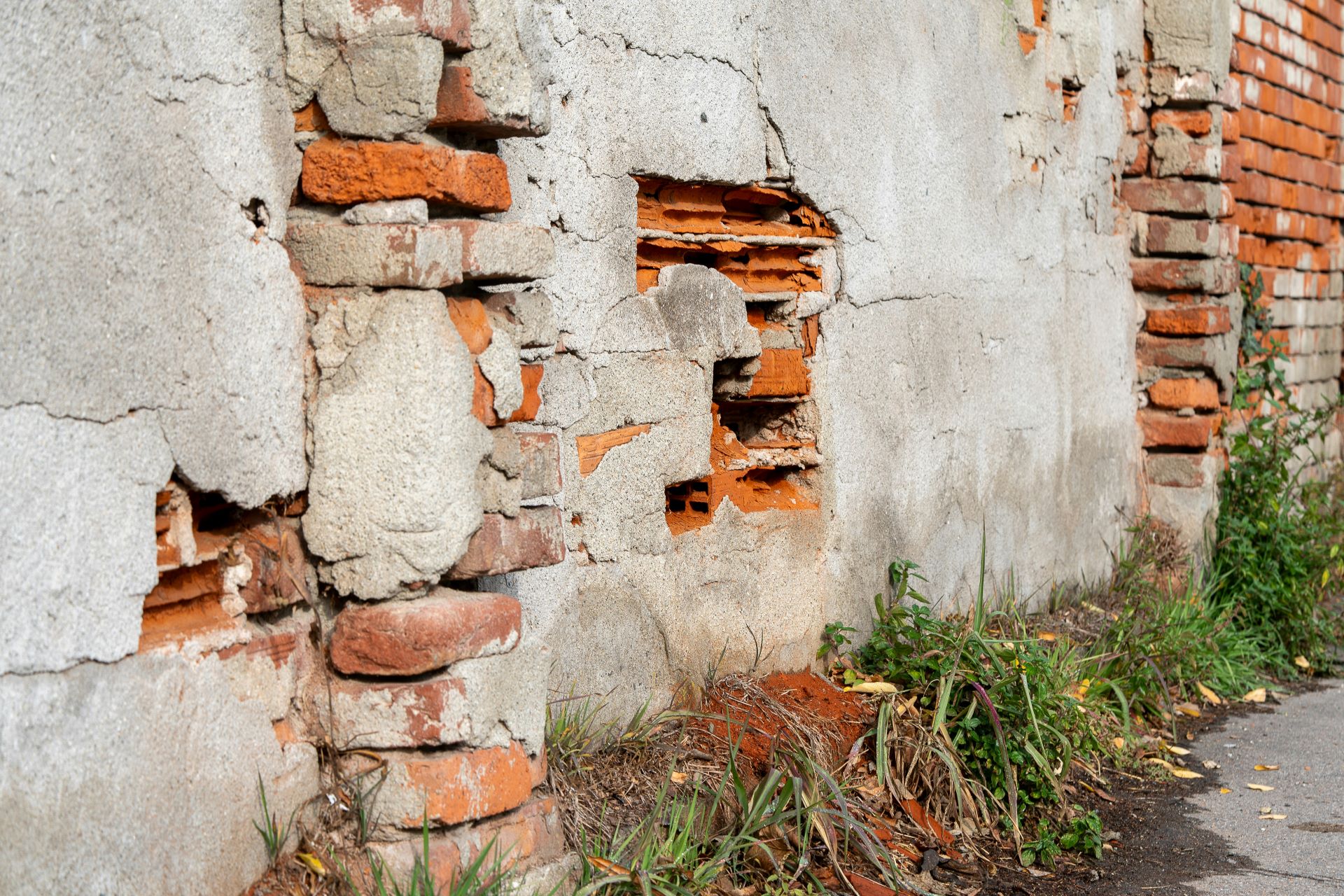
Signs Your Building Needs Structural Repairs
When Small Faults Whisper Before They Shout
In the South African built environment, buildings are constantly negotiating with their surroundings. Expansive clay soils in Gauteng, coastal moisture in KwaZulu-Natal, seasonal rainfall shifts, and temperature fluctuations all place subtle pressure on structural systems. Most buildings do not fail suddenly. They speak first, softly, through small imperfections that are easy to ignore.
A faint crack above a window. A door that suddenly refuses to close cleanly. A patch of damp that seems harmless after heavy rain.
These are not random cosmetic flaws. They are often the earliest signals of deeper structural movement.
The danger lies not in the existence of these signs, but in how easily they are dismissed. Small structural issues rarely remain small. Once movement begins within a building’s load-bearing system, deterioration can accelerate quietly until repair costs escalate significantly or safety becomes compromised.
Understanding these early indicators is one of the most valuable skills any property owner can develop.
Cracks in Walls: The Building’s First Language of Distress
Cracks are the most common visible warning sign of structural trouble, but not all cracks carry the same meaning. In South African properties, they often emerge in masonry walls, plaster finishes, and around openings like windows and doors.
Hairline cracks in plaster are often caused by natural settling or minor thermal expansion. These are typically cosmetic. However, cracks that widen over time, run diagonally, or form a stair-step pattern through brickwork may indicate structural movement beneath the surface.
When foundations shift due to soil movement or moisture variation, the stress is transferred upward into walls. This is where cracks become more than surface blemishes. They become indicators of underlying instability.
Horizontal cracking is particularly important to note, as it can suggest lateral pressure against retaining walls or structural load imbalance. Vertical cracks that extend through multiple courses of brickwork may suggest differential settlement between sections of the foundation.
A key concern is progression. A crack that remains stable for years may be harmless, but one that slowly extends is a building in motion.
Foundation Movement: The Hidden Driver of Structural Change
The foundation is the silent anchor of any structure, and in South Africa’s varied soil conditions, it is often the first element to experience stress.
Expansive clay soils in regions such as Gauteng swell during wet seasons and contract during dry periods. This constant movement can cause gradual shifting of foundations, especially where drainage is inadequate or compaction was poorly executed during construction.
Warning signs of foundation movement include widening cracks at ground level, separation between walls and floors, and visible stepping in brickwork along exterior walls.
In more advanced cases, sections of flooring may begin to slope subtly. This is often noticed first through furniture that no longer sits level or rolling objects that drift in a single direction.
Foundation issues are rarely isolated. Once movement begins, the entire structural system adjusts to compensate, often creating secondary damage in walls, ceilings, and frames.
Doors and Windows That Suddenly Misbehave
One of the most overlooked indicators of structural movement is the behaviour of doors and windows.
When a building frame shifts, even slightly, it alters the alignment of openings that were once perfectly square. Doors may begin to stick at the top or bottom, or fail to latch properly. Windows may become difficult to open or close smoothly.
While humidity can cause timber swelling, structural misalignment tends to affect multiple openings at once and persists regardless of weather conditions.
In South African homes with brick-and-mortar construction, this symptom often appears alongside visible cracking. The combination is particularly telling, as it suggests that movement is no longer localised but affecting the building frame as a whole.
Uneven or Sloping Floors: A Subtle but Serious Indicator
Floor irregularities are often among the clearest signs that something beneath the structure is no longer stable.
A perfectly level floor is the result of carefully balanced load distribution. When foundations settle unevenly or support beams weaken, that balance is disrupted.
In early stages, the change may be so subtle that it is only noticeable when placing a ball or observing furniture alignment. Over time, however, the slope becomes more apparent, and walking across rooms may begin to feel slightly off-centre.
In South African properties, moisture intrusion is a frequent contributing factor. Water ingress can weaken subfloor structures, particularly timber joists, leading to sagging or uneven surfaces. In concrete slab construction, soil movement beneath the slab is often the root cause.
A sloping floor is rarely just a floor problem. It is usually a symptom of movement elsewhere in the structure.
Ceiling Cracks and Sagging: Pressure from Above
Ceilings reveal structural stress in a different way than walls or floors. Because they rely on overhead support systems, any weakening of roof trusses, beams, or load distribution can manifest visibly overhead.
Cracks along ceiling joints are common in ageing buildings, but when these cracks widen, spread, or appear alongside sagging sections, they may indicate more serious structural stress.
Water damage is a major contributor in South Africa, particularly in regions with seasonal heavy rainfall. A leaking roof can saturate ceiling materials, increasing weight and weakening structural integrity over time.
Sagging ceilings should always be treated as a priority concern. They suggest that the load-bearing capacity of the overhead structure may be compromised.
Gaps and Separation Between Building Elements
Buildings are designed as interconnected systems. When structural movement occurs, those connections often begin to separate.
Gaps appearing between walls and ceilings, skirting boards and floors, or window frames and plasterwork are often signs that different sections of the building are shifting at different rates.
This phenomenon, known as differential movement, is particularly common in properties built on uneven soil conditions or where extensions have been added at different times.
Even small separations can allow moisture and air infiltration, which further accelerates deterioration. Over time, these gaps tend to widen if the underlying cause is not addressed.
Moisture Intrusion and Dampness: The Silent Accelerator
Water is one of the most destructive forces acting on buildings. In South Africa, where heavy rains and high groundwater levels can occur seasonally, moisture intrusion is a frequent trigger for structural issues.
Damp patches on walls, bubbling paint, and musty odours often indicate that water is entering the building envelope. While these may initially appear as maintenance issues, prolonged exposure to moisture can weaken masonry, corrode reinforcement steel, and degrade timber elements.
Efflorescence, the white crystalline residue on brickwork, is another common sign of moisture movement through masonry. While not always structurally critical on its own, it often points to underlying water ingress.
When moisture combines with visible cracking or movement, the risk of structural deterioration increases significantly.
Brickwork Distortion: When Walls Begin to Shift
Brick and block walls are designed to carry compressive loads evenly. When foundations shift or loads become uneven, these walls begin to show stress patterns.
Stair-step cracking through mortar joints is one of the most recognisable signs of structural movement in masonry construction. Bulging or bowing walls may indicate lateral pressure from soil or internal load imbalance.
In coastal regions, salt exposure can also accelerate masonry deterioration, weakening mortar joints and making walls more vulnerable to movement over time.
Any visible distortion in wall alignment should be monitored closely, especially if it progresses after heavy rainfall or seasonal changes.
Roof Stress and External Structural Indicators
While much attention is placed on internal signs, external structural indicators are equally important.
Roof lines that appear uneven, sagging ridges, or displaced tiles can suggest underlying movement in roof trusses or supporting walls. Gutters that no longer align properly with roof edges may also indicate subtle structural shifting.
In South Africa’s climate, strong winds combined with heavy rain can accelerate weaknesses in roof structures, particularly where maintenance has been delayed.
External brickwork should also be observed for bulging, separation, or unusual cracking patterns. These are often the first visible signs of deeper structural movement.
The Importance of Early Intervention
The most important principle in structural maintenance is timing. Early detection dramatically reduces repair complexity and cost.
A hairline crack today may require only monitoring. The same crack, if left unchecked while widening, can evolve into a structural repair involving foundations, reinforcement, and partial rebuilding.
South African property conditions make vigilance especially important. Soil variability, weather extremes, and ageing infrastructure all contribute to gradual structural stress over time.
Professional assessment is always recommended when multiple warning signs appear together. Structural engineers and qualified building inspectors can determine whether movement is active or historical, and whether intervention is required.
Reading the Building Before It Fails
Every building tells its own story. In South Africa’s diverse environmental conditions, that story is often written slowly, through small but meaningful changes in structure and finish.
Cracks, misaligned doors, uneven floors, damp patches, and subtle separations are not isolated annoyances. They are parts of a broader narrative about how a building is responding to stress.
The key is not alarm, but awareness. When these signs are recognised early, repairs are typically straightforward and cost-effective. When ignored, they can evolve into complex structural failures requiring extensive intervention.
A building rarely fails without warning. It simply becomes harder to read the language it has been speaking all along.