Stormwater Drainage Maintenance in Urban South Africa
Stormwater Drainage Maintenance in Urban South Africa
Urban landscapes across South Africa are changing at a rapid and sometimes unforgiving pace. As cities expand outward and upward, natural ground surfaces are replaced with concrete, asphalt, and tightly packed infrastructure. This transformation, while essential for economic growth and housing demand, quietly disrupts one of the most critical environmental balancing systems: stormwater absorption.
In many South African urban areas, rainfall that once seeped gradually into soil now rushes across hardened surfaces, converging into overloaded drainage networks. The result is increasingly familiar. Streets that resemble rivers after heavy rain. Suburbs cut off by floodwater. Commercial districts struggling with water ingress and infrastructure damage.
Stormwater drainage maintenance has therefore shifted from a background municipal function to a frontline urban resilience strategy. It is no longer just about clearing blocked drains. It is about understanding system capacity, upgrading design logic, and maintaining infrastructure that is constantly under pressure from climate variability and urban expansion.
The Rising Pressure of Urbanisation on Drainage Systems
Urbanisation in South Africa has intensified the strain on stormwater systems that were often designed decades ago for very different population densities and rainfall expectations. Cities like Johannesburg, Cape Town, Durban, and Pretoria have all experienced significant spatial growth, often outpacing infrastructure upgrades.
As informal settlements expand and formal developments densify, natural drainage corridors are frequently obstructed or narrowed. Wetlands are filled. River edges are encroached upon. Stormwater pipes that once served low-density suburbs now carry runoff volumes far beyond their original design capacity.
This mismatch between design intent and current reality is one of the key drivers behind urban flooding. In many cases, the issue is not failure of a single component, but systemic overload.
A stormwater network behaves like a chain of connected arteries. When upstream capacity is exceeded or obstructed, downstream nodes become vulnerable to sudden surges. Without regular maintenance and strategic redesign, these systems begin to fail in predictable cycles, usually during peak rainfall events.
Understanding Stormwater Drainage Infrastructure
Stormwater systems are often misunderstood as simple pipe networks. In reality, they are integrated systems composed of surface and subsurface components working together to manage water flow.
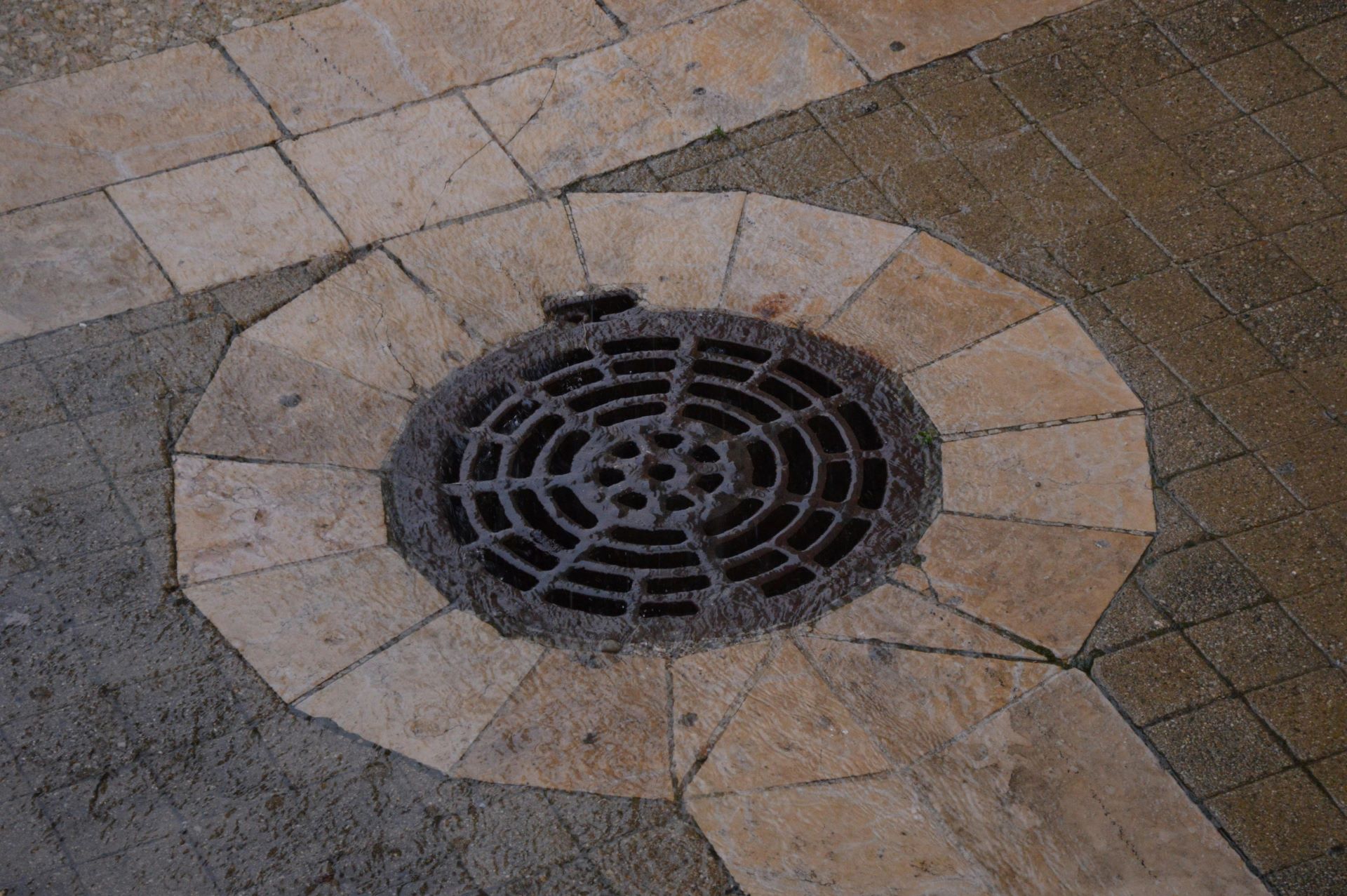
Surface components include kerb inlets, channels, roadside drains, and open swales. These capture initial runoff and direct it into subsurface systems. Subsurface infrastructure includes underground pipes, culverts, manholes, and retention structures designed to transport and temporarily store water.
In well-designed systems, water is guided through controlled pathways, slowing velocity and reducing peak load. In poorly maintained systems, blockages and structural degradation disrupt this balance, causing water to escape its intended route.
South African urban environments introduce additional complexity. High sediment loads from unpaved areas, litter accumulation in densely populated zones, and seasonal debris from vegetation all contribute to rapid system contamination.
The Role of Drain Cleaning in Flood Prevention
Drain cleaning is often perceived as a reactive maintenance task, carried out after flooding occurs. In effective stormwater management strategies, however, it functions as a preventative safeguard.
Blocked drains are one of the most common causes of localized flooding. Leaves, sand, plastic waste, and construction debris accumulate in inlet points, restricting flow and causing surface ponding. Once water is unable to enter the system efficiently, even moderate rainfall can overwhelm surrounding areas.
Routine cleaning programs focus on removing these obstructions before they become critical. This includes manual clearing of inlet gratings, mechanical jetting of pipelines, and vacuum extraction of sediment build-up.
In high-risk zones such as low-lying commercial districts or rapidly expanding residential areas, cleaning frequency often needs to be increased. Seasonal scheduling also plays a role, with pre-rainy season maintenance being particularly important in South Africa’s summer rainfall regions.
Beyond simple clearing, modern drain cleaning also involves inspection. CCTV drain surveys are increasingly used to identify structural weaknesses, root intrusion, and partial collapses that are not visible from the surface.
Sedimentation: The Silent System Killer
One of the most persistent challenges in urban stormwater systems is sedimentation. Unlike sudden blockages caused by debris, sediment builds gradually, reducing pipe diameter over time.
In South African cities, sediment originates from multiple sources. Construction sites without adequate erosion control contribute large volumes of sand and soil into runoff systems. Unsealed roads and exposed surfaces add to the load, particularly in peri-urban areas.
As sediment accumulates, flow capacity decreases. This creates a compounding effect. Reduced capacity leads to slower drainage, which increases surface pooling, which in turn carries more debris into the system.
Left unchecked, sedimentation can reduce a drainage pipe’s effective capacity by more than half. At that stage, even minor rainfall events can trigger overflow conditions.
Addressing sedimentation requires both maintenance and upstream control. Silt traps, sediment basins, and improved site management practices are essential components of a long-term solution.
System Design Limitations in Existing Infrastructure
Many stormwater systems in South Africa were designed using historical rainfall data and outdated urban density models. As a result, they are often not aligned with current environmental realities.
One of the key design limitations is underestimation of peak rainfall intensity. Climate variability has introduced more frequent high-intensity rainfall events, which exceed traditional design thresholds.
Another limitation is insufficient redundancy. In robust systems, multiple flow paths allow water to be redistributed when one section becomes overloaded. In many existing urban layouts, however, drainage routes are linear and rigid, offering limited flexibility under stress.
In addition, older systems often lack adequate retention infrastructure. Modern stormwater design emphasizes temporary storage through detention ponds, underground tanks, and permeable surfaces. Many urban areas still rely heavily on rapid conveyance rather than controlled retention.
This design philosophy increases downstream pressure and contributes to flash flooding in lower elevation zones.
Maintenance Strategies for Urban Drainage Networks
Effective stormwater management depends on structured and continuous maintenance programs. These programs must go beyond ad hoc interventions and adopt a lifecycle approach to infrastructure care.
Maintenance strategies typically include inspection, cleaning, repair, and monitoring. Each component plays a distinct role in ensuring system functionality.
Inspection identifies early warning signs such as cracks, blockages, and misaligned joints. Cleaning restores hydraulic capacity. Repair addresses structural damage. Monitoring tracks system performance over time.
In South African urban environments, maintenance must also account for informal waste disposal patterns, construction activity, and seasonal storm cycles. These variables introduce unpredictability that requires adaptive planning.
A practical maintenance approach often includes:
• Scheduled cleaning of high-risk drainage zones before peak rainfall seasons
• Routine inspection of manholes and inlet structures in high-density areas
• Rapid response teams for post-storm clearance and emergency blockages
• Coordination with construction permits to enforce sediment control compliance
These elements form the operational backbone of resilient stormwater systems.
The Impact of Construction Activity on Drainage Systems
Construction activity is one of the most significant contributors to stormwater system stress in urban South Africa. Excavation, earthworks, and material storage all expose soil to erosion, increasing sediment flow into drainage networks.
Without proper site management, construction runoff can overwhelm nearby drains within a single rainfall event. Cement residues, gravel, sand, and packaging waste frequently enter stormwater systems, accelerating blockages and reducing flow efficiency.
Regulatory frameworks exist to mitigate these impacts, but enforcement is inconsistent in many areas. This creates variability in system performance depending on local compliance levels.
Best practice construction management includes temporary drainage controls such as silt fences, sediment traps, and stabilized site access points. These measures significantly reduce contamination of municipal drainage infrastructure.
Retrofitting Urban Areas for Better Stormwater Control
Given the limitations of existing infrastructure, retrofitting has become a critical strategy in improving stormwater resilience.
Retrofitting involves upgrading or modifying existing drainage systems without complete reconstruction. This can include enlarging pipe diameters, adding retention basins, or introducing permeable surface technologies.
Permeable paving is increasingly used in parking areas and pedestrian zones. These surfaces allow water to infiltrate rather than run off, reducing load on underground systems.
Green infrastructure solutions such as bio-swales and vegetated channels also play a growing role. These systems slow water flow, filter pollutants, and improve infiltration.
In densely built environments, underground storage tanks can be installed beneath roads or public spaces to temporarily hold excess runoff during peak rainfall events.
Retrofitting is often more cost-effective than full system replacement and allows municipalities to incrementally improve performance.
Climate Variability and Future Flood Risk
South Africa’s climate patterns are becoming more unpredictable, with increasing instances of intense rainfall over short periods. This shift places additional strain on already challenged drainage systems.
Urban flooding is no longer confined to traditionally flood-prone zones. Areas that previously experienced minimal water accumulation are now reporting recurring surface flooding events.
This changing risk profile requires a shift in planning philosophy. Rather than designing for historical averages, engineers and planners must increasingly design for extremes.
Adaptive capacity becomes a key metric. Systems must be able to absorb shocks, recover quickly, and maintain partial functionality even under stress.
The Economics of Drainage Maintenance
Stormwater maintenance is often undervalued in municipal budgeting processes, despite its direct link to infrastructure protection and disaster risk reduction.
The cost of reactive flood damage far exceeds the cost of preventive maintenance. Road repairs, property damage, service disruptions, and emergency response all carry significant financial burdens.
Regular drain cleaning and system upgrades represent a fraction of these costs, yet deliver substantial long-term savings.
From a construction and infrastructure perspective, investing in maintenance also extends asset lifespan. Pipes, culverts, and channels that are properly maintained experience slower degradation and fewer catastrophic failures.
Building a Resilient Urban Drainage Future
The future of stormwater management in South African cities depends on integration. Maintenance, design, policy, and construction practices must operate as a unified system rather than isolated functions.
Resilience is achieved not through a single intervention but through continuous adaptation. This includes smarter design standards, stricter construction controls, improved municipal maintenance capacity, and greater public awareness of drainage protection.
Urban flooding is not an unavoidable consequence of development. It is a design and maintenance challenge that can be managed with the right combination of foresight and discipline.
Stormwater systems are, in many ways, the hidden circulatory system of cities. When they function well, they are almost invisible. When they fail, the impact is immediate and disruptive.
The goal for South African urban areas is not simply to clear water after it falls, but to build systems capable of living with water intelligently, predictably, and safely.
Stormwater drainage maintenance is no longer a peripheral engineering task. It is a central pillar of urban resilience in South Africa’s rapidly evolving cities.
As urbanisation intensifies and rainfall patterns become more extreme, the importance of drain cleaning, sediment control, and system redesign continues to grow.
Cities that invest in proactive maintenance and forward-thinking infrastructure design will not only reduce flooding risk but also strengthen their long-term sustainability and economic stability.
The challenge is significant, but so too is the opportunity to reshape urban environments into systems that work with natural water cycles rather than against them.