
Structural Safety in South African Building Extensions
Building extensions are often framed as straightforward upgrades. A new bedroom, an expanded retail floor, an additional storey to maximise urban property value. Yet from a structural perspective, an extension is not an accessory. It is an intervention that alters how a building behaves under load, how it distributes stress through its frame, and how it responds to wind, soil movement and long-term settlement.
In South Africa, where climatic and geotechnical conditions vary widely from coastal humidity in Durban to expansive clay soils in Gauteng, structural behaviour is not theoretical. It is practical and measurable. Adding mass to an existing building changes load paths. It can introduce new bending moments into beams that were never designed for them. It can increase axial loads on columns and foundations that are already performing at design capacity.
Even relatively modest ground-floor additions can disrupt equilibrium. Removing walls to create open-plan spaces during extensions reduces lateral support. Enlarging window openings for improved natural light weakens load-bearing elements. A new slab poured adjacent to an old one may settle at a different rate if subsoil preparation is inconsistent.
An extension therefore demands structural reassessment. The building that once performed reliably under its original design parameters is now a different system entirely. Engineering approval before construction is not a bureaucratic hurdle. It is a recalibration of the building’s structural identity.
South African Regulatory Framework and Engineering Approval
In South Africa, compliance with the National Building Regulations and Building Standards Act is mandatory for any structural alteration. Local authorities require approved building plans before construction begins. These plans must include structural drawings signed off by a registered professional engineer or technologist.
Engineering approval is not simply a signature. It involves analysis. The engineer evaluates the existing structural system, examines original drawings where available, and may conduct site inspections to assess actual conditions. In older buildings where documentation is incomplete, physical investigations become essential. Core drilling, reinforcement scanning and foundation exposure may be required to determine load capacity.
Municipalities such as the City of Johannesburg, City of Cape Town and eThekwini Municipality enforce plan approval processes with varying administrative timelines. However, across all jurisdictions, structural sign-off is a non-negotiable component of compliance when the extension affects load-bearing elements.
Failure to obtain engineering approval can result in stop-work orders, fines and, in severe cases, demolition of unauthorised work. More critically, it exposes owners and contractors to liability should structural failure occur.
Professional oversight at the planning stage mitigates these risks. It ensures that design assumptions align with South African loading standards, including wind loads applicable to coastal regions and seismic considerations where relevant.
Load Redistribution and Foundation Capacity
Foundations are often the most overlooked component during building extensions. They are hidden below ground and assumed to possess surplus capacity. In reality, foundations are designed to carry specific loads calculated during original construction.
When a first floor is added to a single-storey dwelling in Pretoria or a commercial warehouse in Gqeberha is expanded, vertical loads increase significantly. Columns and load-bearing walls transfer this additional weight directly to foundations. If those foundations were not designed with future expansion in mind, overstressing may occur.
Overstressed foundations manifest in cracking walls, differential settlement and in extreme cases structural instability. In regions with dolomitic soil, common in parts of Gauteng, additional loading can exacerbate ground movement risks if not properly engineered.
Engineering assessment evaluates foundation size, depth and soil bearing capacity. Where deficiencies are identified, remedial measures may include underpinning, enlargement of footings or installation of additional piles. These interventions require precise planning before construction commences. Retrofitting foundation solutions after superstructure work has begun is both disruptive and costly.
A structurally sound extension begins at ground level, even if the work appears to occur above it.
Integrating New Structural Elements with Existing Systems
One of the most technically sensitive aspects of building extensions is the junction between new and old structures. Concrete poured today will not behave identically to concrete cured decades ago. Steel sections may differ in grade or corrosion resistance. Timber elements in heritage buildings may have aged and weakened.
The connection detail between existing beams and new structural members determines how loads transfer across the interface. Poor detailing can create stress concentrations that lead to cracking. In multi-storey buildings, tying new slabs into old frames without proper shear connectors can compromise diaphragm action.
South African construction practice must also consider corrosion risk in coastal areas such as Cape Town and Durban. When new reinforcement is anchored into older concrete, the engineer must ensure compatibility in durability design to prevent galvanic reactions or accelerated corrosion.
Thermal movement is another factor. Extensions constructed with different materials may expand and contract at different rates. Expansion joints may be required to prevent stress build-up.
Engineering approval addresses these interface challenges through detailed design drawings. It specifies reinforcement anchorage lengths, connection plates, bolt grades and welding standards. It ensures that the extension does not merely attach to the building but integrates with it structurally.
Wind Loading and Lateral Stability
In many South African regions, wind loading is a governing design factor. Coastal towns and highveld areas experience significant wind pressures. Extending a building increases surface area exposed to wind forces. Adding an upper storey raises the centre of gravity, increasing overturning potential.
Lateral stability systems such as shear walls, braced frames or rigid moment frames must be reassessed when the building footprint or height changes. Removing internal masonry walls to create open-plan living spaces during an extension can inadvertently reduce lateral resistance.
An engineer evaluates whether the existing lateral load-resisting system remains adequate. If not, strengthening measures may be introduced. These may include additional bracing, reinforced concrete cores or steel portal frames.
Wind uplift on roof extensions is another consideration. Lightweight roof additions must be securely tied down to prevent uplift failure. Proper anchoring to existing structural elements is critical.
Engineering approval ensures that wind forces are recalculated based on revised geometry. It prevents the scenario where a visually attractive extension becomes structurally vulnerable during seasonal storms.
Service Integration and Structural Implications
Building extensions often require reconfiguration of plumbing, electrical and HVAC systems. Structural elements are frequently modified to accommodate new service routes. Openings may be cut into beams for ducts. Floor slabs may be penetrated for drainage stacks.
Without engineering oversight, such modifications can weaken structural members. Cutting through reinforcement in a reinforced concrete beam significantly reduces its capacity. Enlarging slab openings without additional support can lead to cracking and deflection.
Professional review ensures that service integration does not compromise structural integrity. It may specify additional trimming beams around openings or restrict the size and placement of penetrations.
Coordination between structural engineers and mechanical designers is essential. In commercial developments, particularly in urban centres like Sandton, service loads themselves may be substantial. Rooftop HVAC units introduce concentrated loads that must be factored into structural calculations.
Engineering approval brings these disciplines into alignment before construction begins.
Heritage Buildings and Structural Sensitivity
South Africa has a diverse architectural heritage. From Cape Dutch farmhouses to early 20th-century industrial structures, many older buildings require careful handling during extensions.
Heritage structures often rely on unreinforced masonry or timber framing. Their load-bearing systems may not align with modern construction methods. Introducing reinforced concrete additions to such buildings without proper structural assessment can create stiffness imbalances.
Engineering evaluation determines how to extend heritage buildings without overloading fragile elements. Lightweight steel framing or timber solutions may be preferred to minimise additional loads.
In some cases, independent structural systems are designed adjacent to the existing building, connected only minimally to avoid transferring excessive forces.
Engineering approval in heritage contexts balances preservation with safety. It ensures that modern expansion does not accelerate structural deterioration.
Construction Sequencing and Temporary Stability
Structural safety is not only about the final configuration. It also concerns the construction process. Removing walls or roof sections during extension work can temporarily destabilise a building.
Engineering approval includes consideration of construction sequencing. Temporary propping may be required while new beams are installed. Load transfer must occur in controlled stages to prevent sudden stress redistribution.
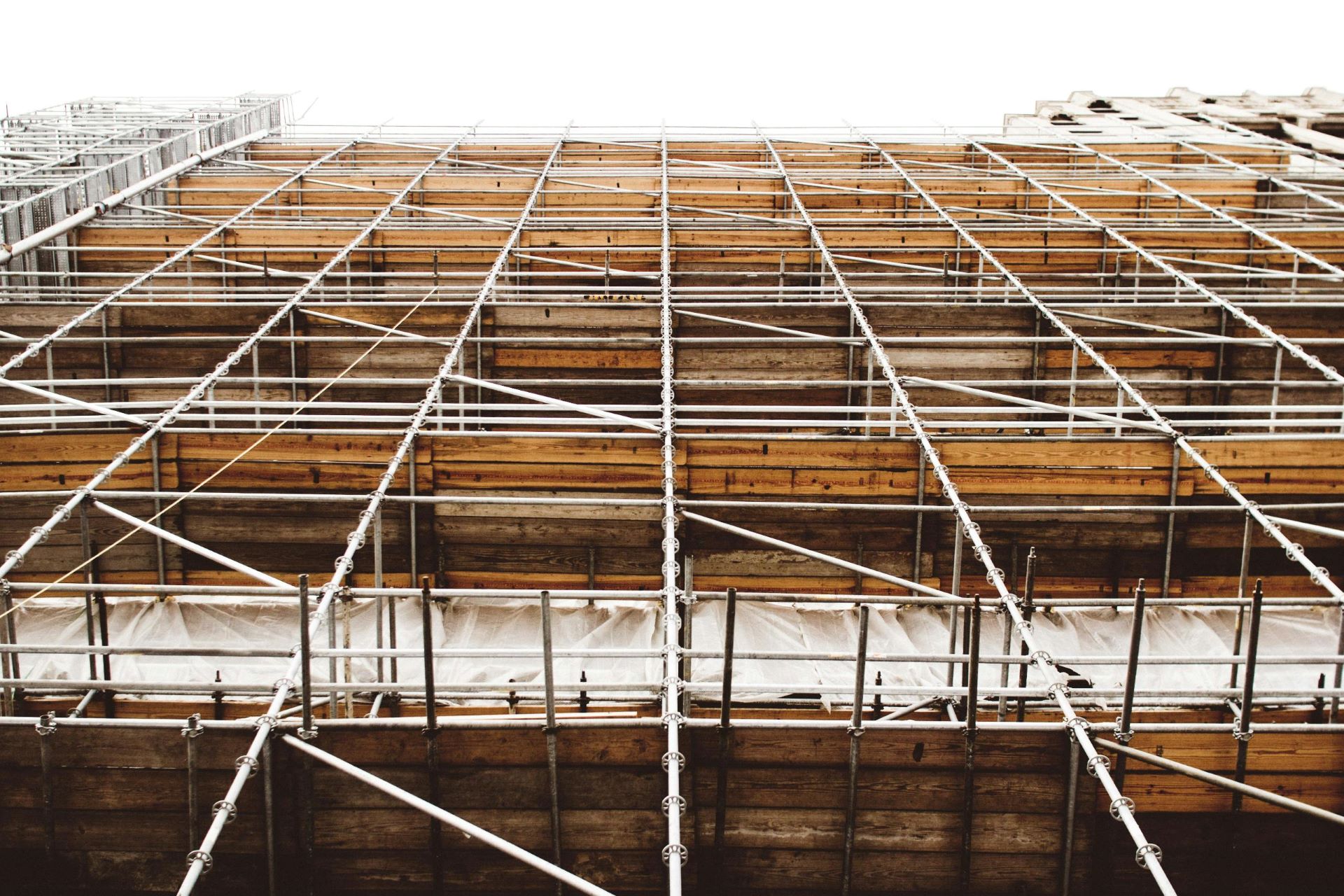
In multi-storey extensions, scaffolding and formwork loads must be considered. Improper temporary support can lead to partial collapse even before permanent structural elements are complete.
Professional oversight ensures that contractors follow safe methodologies. It integrates temporary works design into the overall structural plan.
This approach is particularly relevant in densely populated urban environments where adjacent properties may be affected. Ensuring temporary stability protects not only the building under extension but neighbouring structures as well.
Long-Term Maintenance Considerations
Structural safety extends beyond completion. An extension should not introduce maintenance vulnerabilities. Poorly designed junctions can allow water ingress, leading to reinforcement corrosion. Differential settlement may widen over time if not properly addressed.
Engineering approval incorporates durability design. It specifies appropriate concrete cover to reinforcement, corrosion protection measures and detailing that prevents moisture accumulation.
In coastal provinces, chloride exposure accelerates steel corrosion. In industrial zones, chemical exposure may affect structural materials. Design decisions must reflect local environmental conditions.
Maintenance planning should be integrated into extension design. Access to structural elements for inspection should be preserved. Drainage systems should prevent water ponding near foundations.
By embedding long-term considerations into initial design approval, building owners reduce future repair costs and enhance asset value.
Professional Accountability and Risk Mitigation
Engaging a registered professional engineer provides more than technical expertise. It introduces accountability. Engineers are bound by professional standards and codes of conduct. Their approval carries legal and ethical weight.
Insurance providers often require evidence of structural sign-off before covering extension works. In the event of structural defects, documented engineering approval provides traceability.
For contractors, working under approved structural drawings reduces uncertainty. Clear specifications minimise on-site improvisation, which is a common source of structural compromise.
In South Africa’s evolving construction landscape, where urban densification drives frequent extensions, professional oversight is increasingly critical. It transforms extensions from speculative alterations into engineered developments.
Engineering First, Construction Second
Building extensions reshape more than floor plans. They alter structural behaviour, redistribute loads and introduce new forces into existing systems. In South Africa’s varied environmental and regulatory context, these changes cannot be approached casually.
Engineering approval before construction is the foundation of structural safety. It ensures compliance with national regulations, protects occupants and preserves property value. It addresses foundation capacity, load transfer, lateral stability and long-term durability before materials arrive on site.
Extensions should begin not with demolition or excavation, but with structural analysis. When engineering leads and construction follows, additional space becomes an asset rather than a liability.