
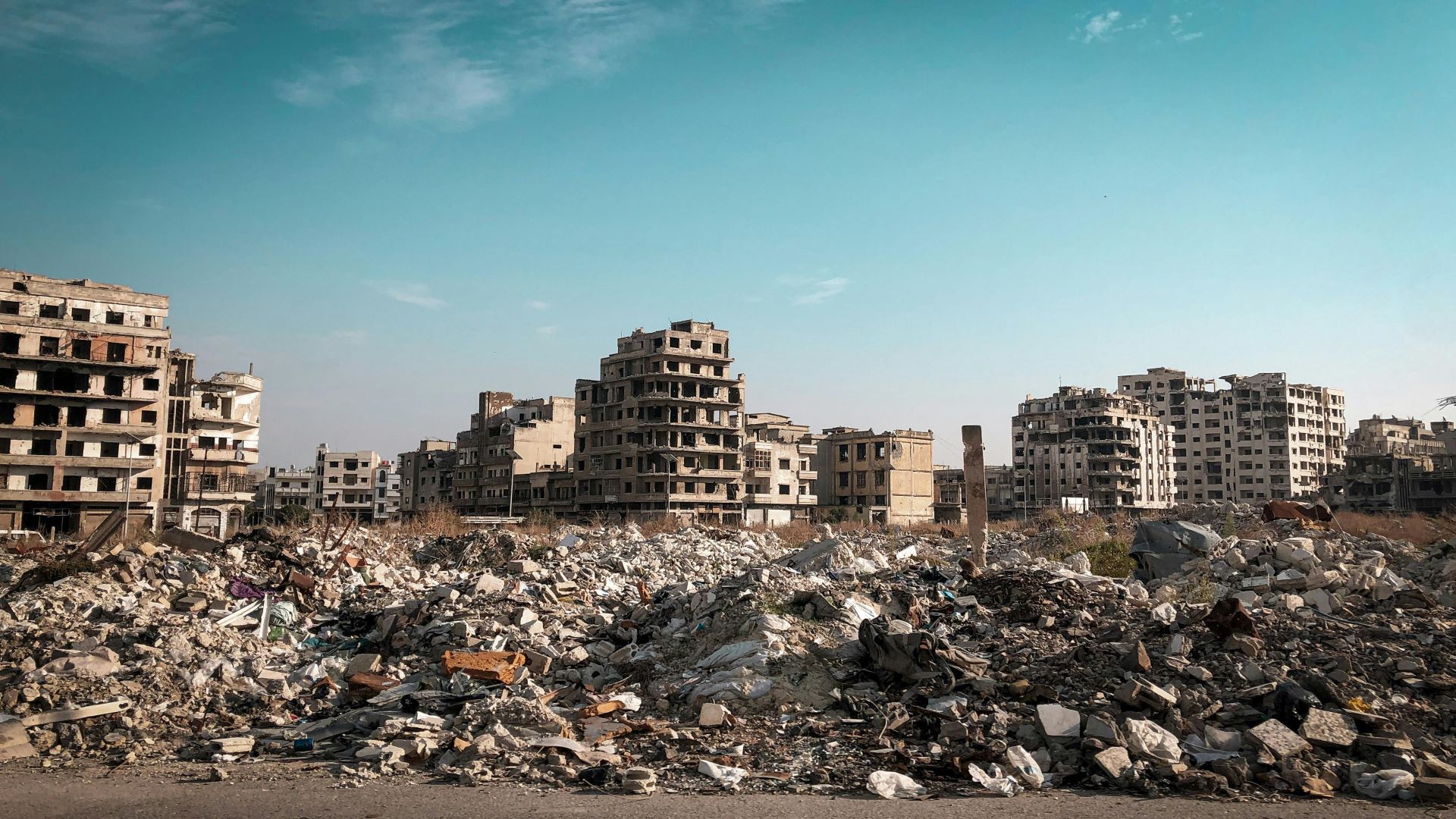
When Buildings Sink: Causes Beyond Foundation Failure
When the Ground Betrays the Structure
In South Africa’s built environment, the phrase “a sinking building” often conjures images of cracked slabs and failing foundations. Yet the truth is far more layered and far more unsettling. Buildings rarely fail because of a single point of weakness. Instead, they respond to a slow choreography of soil behaviour, water movement, environmental stress, and human oversight.
Across provinces such as Gauteng, KwaZulu-Natal, and parts of the Free State, structural movement is increasingly being observed in both residential and commercial properties. The assumption is often that the foundation has failed outright. In reality, the foundation is frequently only the messenger of deeper systemic issues below and around it.
This article explores the multi-factor reality behind structural subsidence in South Africa, focusing on soil dynamics, drainage systems, erosion patterns, and environmental pressures that quietly reshape the ground beneath our buildings.
The Illusion of Foundation Failure
When cracks appear in walls or floors begin to slope, the immediate conclusion is usually foundation failure. While this is sometimes correct, it is often only a symptom.
Foundations are designed to distribute loads, not to stabilise unstable environments. If the soil beneath them shifts, compresses, or erodes, even a perfectly engineered foundation will begin to behave unpredictably.
In South Africa, many buildings are constructed on variable geotechnical conditions. Expansive clay soils, dolomitic land, and reclaimed fill sites all introduce movement potential that cannot be eliminated through concrete alone. The result is a structural system that is constantly negotiating with its environment.
A sinking building is therefore not simply falling downward. It is responding to imbalance in the ground system that supports it.
Soil Movement: The Invisible Architect of Instability
Soil is not static. It breathes, swells, contracts, and migrates depending on moisture content and load pressure. In many South African regions, especially Gauteng and parts of the North West, expansive clay soils dominate the subsurface profile.
These soils expand dramatically when wet and shrink during dry periods. Over time, this cycle creates vertical and lateral movement that can subtly tilt or distort structures.
What makes soil movement particularly dangerous is its uneven nature. One section of a building may sit on stable material while another rests on reactive clay. This differential movement creates stress fractures that gradually propagate through walls, slabs, and columns.
Even light structures are not immune. Boundary walls, patios, and single-storey homes often show early warning signs long before major structural damage becomes visible.
Soil movement is not dramatic. It is slow, seasonal, and often ignored until its cumulative effect becomes impossible to overlook.
Drainage Systems: The Hidden Structural Variable
Water is the most influential force in soil behaviour. Poor drainage is one of the most common contributors to structural sinking, yet it is frequently overlooked in early diagnostics.
In urban South Africa, stormwater systems are often overburdened or poorly maintained. Roof runoff, paved surfaces, and landscaping designs can unintentionally direct water toward building perimeters rather than away from them.
When water accumulates around foundations, it alters soil density and strength. Clay soils swell, sandy soils wash away, and mixed soils become unstable. Over time, this creates voids or pressure zones beneath the structure.
Internal plumbing leaks are another silent contributor. A slow underground pipe leak can saturate soil for months or even years before visible damage appears. By the time floor movement is noticeable, significant subsurface erosion may already have occurred.
Effective drainage is not an accessory to construction. It is a controlling factor in structural longevity.
Erosion: The Slow Removal of Support
Erosion does not always occur in dramatic gullies or washed-out landscapes. In many residential and commercial environments, it happens on a microscopic scale.
Fine particles of soil are gradually carried away by water movement, especially in areas where stormwater is not properly channelled. This is particularly common in properties with poor guttering systems or incorrectly sloped landscaping.
As soil particles are removed, voids begin to form beneath slabs and around foundation edges. These voids reduce the contact area between the structure and the ground, creating uneven support conditions.
Over time, sections of a building may begin to settle into these voids, giving the appearance of sinking. In reality, the ground is not simply dropping. It is being redistributed.
Coastal regions and areas with sandy soil profiles are especially vulnerable, but erosion can occur anywhere water is allowed to move unchecked across soil surfaces.
Dolomitic Land and Subsurface Cavities
Certain regions of South Africa, particularly parts of Gauteng, are underlain by dolomite. This type of rock is prone to dissolving over time when exposed to water, forming underground cavities and sinkhole-prone zones.
While dramatic sinkholes capture public attention, more subtle subsurface void formation is far more common. These voids can develop gradually beneath buildings without any immediate surface collapse.
As cavities grow, the overlying soil loses structural integrity. Buildings may begin to tilt, settle unevenly, or develop sudden cracking patterns that seem unrelated to visible surface conditions.
What makes dolomitic instability particularly complex is its unpredictability. Two adjacent properties can experience entirely different outcomes depending on subtle variations in subsurface water flow.
Engineering on dolomitic land requires continuous water management, monitoring, and geotechnical assessment. Without these controls, structural movement becomes a long-term probability rather than a possibility.
Compaction Failures During Construction
Not all sinking structures are victims of natural forces. Many issues begin during the construction phase itself.
Poor soil compaction is a common but often invisible defect. When fill material is not adequately compacted in layers, it retains air pockets and weak zones. These zones gradually compress under structural load, leading to settlement.
This type of movement can take years to fully manifest. Early signs include hairline cracks, uneven flooring, and door misalignment. Because the process is gradual, it is frequently misdiagnosed as natural settling.
In South Africa’s fast-growing urban developments, construction timelines are often compressed. This increases the risk of inadequate compaction control, particularly in large-scale housing projects and infill developments.
Once compaction-related settlement begins, it cannot be reversed. It can only be stabilised or managed.
Tree Roots and Organic Ground Disruption
Vegetation plays a more active role in structural stability than many property owners realise. Tree roots can extract significant moisture from soil, causing shrinkage in clay-rich environments.
In contrast, decaying root systems can leave behind voids that gradually collapse over time. Both processes contribute to uneven soil conditions beneath structures.
Large trees planted too close to buildings can create a dual effect. During wet seasons, roots expand and draw moisture. During dry seasons, soil contraction occurs, increasing movement cycles.
This is particularly relevant in suburban South African landscapes where ornamental trees are often planted for shade without consideration of root spread or soil interaction.
The result is a slow, organic reshaping of the ground beneath foundations.
Stormwater Mismanagement in Urban Environments
Urbanisation has significantly altered natural water flow patterns. Roads, driveways, and paved surfaces reduce natural absorption, increasing surface runoff intensity.
When stormwater is not properly directed into engineered drainage systems, it often finds alternative paths through soil layers. These uncontrolled pathways can erode subsoil structures or saturate critical load-bearing zones.
Blocked gutters, poorly designed downpipes, and insufficient stormwater channels are frequent contributors to structural instability.
In many cases, buildings do not suffer from a lack of strength but from an excess of unmanaged water energy acting against them over time.
Proper stormwater management is therefore not a peripheral concern. It is a central pillar of structural preservation.
Groundwater Fluctuations and Seasonal Shifts
Groundwater levels fluctuate naturally throughout the year. In regions with high rainfall variation, these fluctuations can significantly affect soil stability.
When groundwater rises, soil becomes saturated and loses strength. When it drops, soil can compact or collapse into newly formed voids.
This cycle creates a repetitive stress pattern beneath buildings, particularly those with shallow foundations.
In parts of South Africa where seasonal rainfall is intense, such as KwaZulu-Natal, these cycles can be especially aggressive. The combination of heavy rainfall and rapid drainage creates alternating expansion and contraction forces.
Over time, these shifts contribute to gradual structural movement that may not be immediately attributed to groundwater behaviour.
Structural Load Redistribution and Internal Stress
As soil conditions change beneath a building, structural loads begin to redistribute. Some sections of the foundation carry more weight while others lose support.
This imbalance creates internal stress within beams, slabs, and load-bearing walls. Cracks often appear in predictable patterns, such as diagonal fractures near corners or stepped cracking in masonry.
These are not random failures. They are physical expressions of stress redistribution within the structural system.
If the underlying soil conditions continue to change, these stress patterns intensify, leading to progressive deformation rather than isolated damage.
The Role of Maintenance Neglect
Maintenance is often the final barrier between minor soil movement and significant structural damage. Unfortunately, it is also the most frequently overlooked factor.
Small drainage issues, minor cracks, or subtle floor unevenness are often ignored until they become major problems.
In South Africa’s diverse housing landscape, maintenance practices vary widely. Older properties in established suburbs may suffer from outdated drainage systems, while newer developments may lack long-term monitoring entirely.
Regular inspection of water flow, soil conditions, and structural movement can significantly reduce long-term risk. Yet maintenance is often reactive rather than preventative.
Early Warning Signs of Subsurface Instability
Although sinking buildings develop gradually, there are consistent early indicators that should not be ignored.
These include:
- Doors and windows that begin to stick or misalign
- Cracks that reappear after repair
- Sloping floors or uneven paving
- Persistent damp patches near foundations
- Separation between walls and ceilings
Each of these symptoms points to underlying movement, not isolated defects.
Recognising these signals early can prevent escalation and allow for targeted intervention.
Integrated Structural Diagnosis: Thinking Beyond the Foundation
Understanding a sinking building requires a shift in perspective. Instead of focusing solely on the foundation, a broader environmental and structural analysis is necessary.
Soil conditions, water behaviour, vegetation, construction quality, and maintenance practices all interact to determine structural stability.
In South Africa, where geological diversity is high and climate variability is significant, this integrated approach is especially important.
A building is not an isolated object. It is part of a living ground system that constantly evolves.
The Ground Is Always Speaking
When a building begins to sink, it is rarely the result of a single failure. It is the outcome of multiple interacting forces that gradually reshape the ground beneath it.
Soil movement, drainage inefficiencies, erosion, groundwater fluctuations, and human factors all contribute to a slow structural dialogue between building and earth.
In South Africa’s dynamic environmental conditions, this dialogue is particularly active. Recognising it early is the key to preventing minor movement from becoming major structural distress.
A sinking building is not simply a structural problem. It is a landscape problem expressed through architecture.
Listening to the ground, understanding its behaviour, and maintaining its balance is the most reliable form of long-term structural protection.