Why Circuit Breakers Keep Tripping in SA Homes
Why Circuit Breakers Keep Tripping in South African Homes
In South African homes, a tripping circuit breaker is more than a minor inconvenience. It is often a built-in warning system signalling that something within the electrical installation is under stress, damaged, or unsafe.
With rising household energy demand, ageing housing stock in many suburbs, and widespread use of high-draw appliances, breaker trips have become increasingly common. Understanding what causes them is essential for both homeowners and building maintenance professionals who need to keep systems stable, compliant, and safe.
At its core, a circuit breaker is designed to interrupt power when electrical flow exceeds safe limits. It acts as a protective gatekeeper for wiring, appliances, and occupants. When it trips repeatedly, it is responding to a deeper fault that should never be ignored.
Understanding the Role of the Circuit Breaker
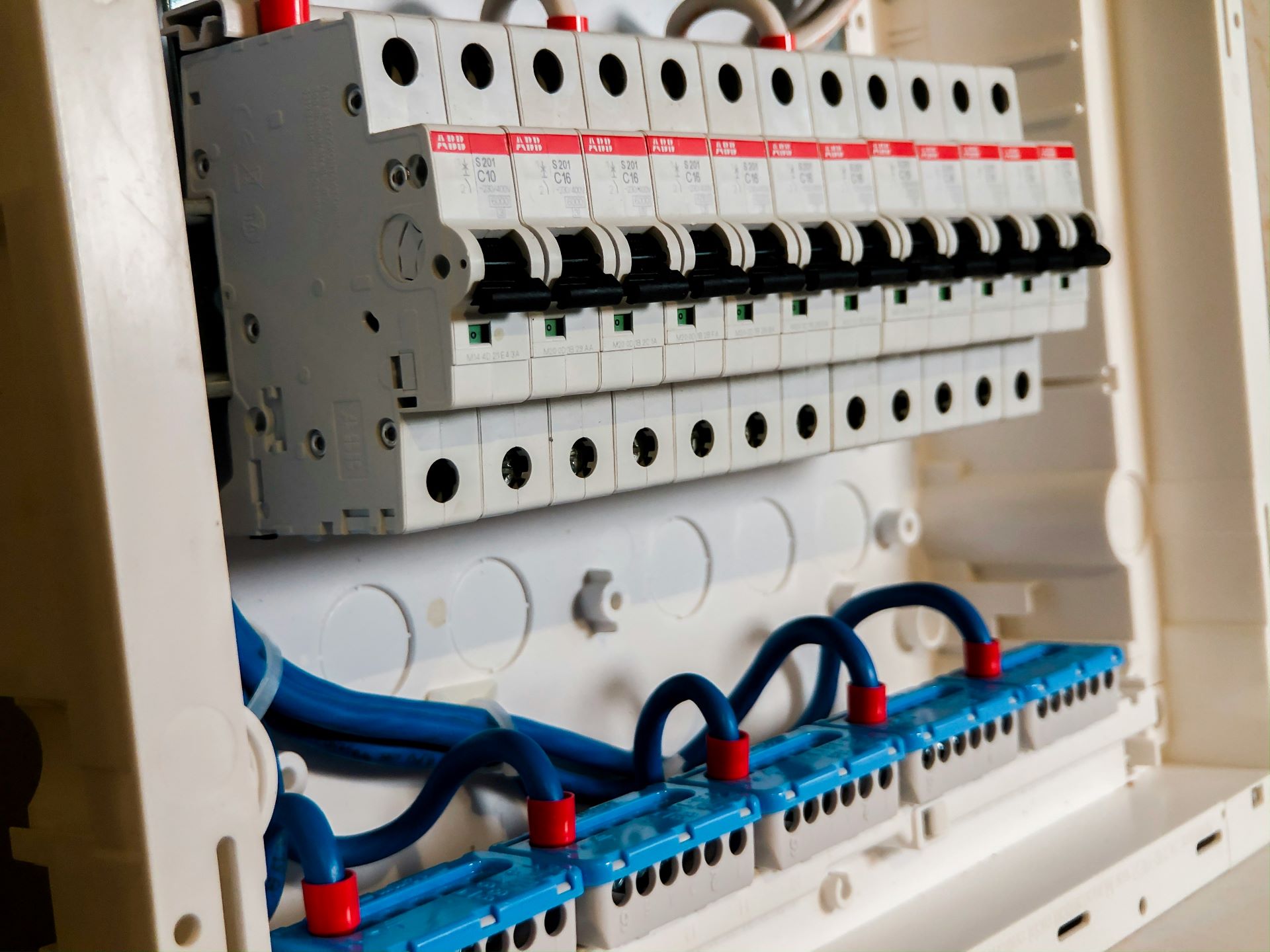
A circuit breaker sits inside the distribution board, commonly known in South Africa as the DB board. It continuously monitors electrical current flowing through a circuit.
When conditions become unsafe, it switches off automatically to prevent overheating, fire hazards, or equipment damage.
This protective shutdown is triggered by three main conditions:
- Excess electrical load on a circuit
- Faults within wiring or appliances
- Sudden surges or irregular current flow
While the reset switch may restore power temporarily, repeated tripping indicates a recurring problem that needs investigation rather than repeated resetting.
Overloaded Circuits: The Most Common Cause
One of the leading reasons for breaker trips in South African homes is circuit overload. This occurs when too many electrical devices draw power from the same circuit at the same time.
Modern households rely heavily on high-consumption appliances such as kettles, microwaves, heaters, air fryers, and washing machines. Many older homes were never designed for this level of demand, especially properties built before modern appliance usage became standard.
When the total electrical load exceeds what the circuit is rated to handle, the breaker trips to prevent overheating of the wiring.
In practical terms, this often happens when:
- Multiple kitchen appliances run simultaneously
- Space heaters are used alongside other devices
- Extension leads power several high-wattage items
- Entertainment systems and office equipment share a single circuit
Overload issues are particularly common in retrofit homes where new appliances have been added without upgrading the DB board or redistributing circuits.
Wiring Faults and Hidden Electrical Defects
Not all breaker trips are caused by user behaviour. In many cases, the issue lies within the wiring itself.
Faulty wiring can develop gradually due to age, wear, or poor installation practices. In South Africa, where many homes combine old electrical infrastructure with modern upgrades, this mismatch can create unstable circuits.
Common wiring-related causes include:
- Loose connections inside sockets or junction boxes
- Damaged insulation from rodents or wear
- Corroded conductors in older installations
- Poor workmanship during renovations or extensions
These faults often create intermittent trips, making them harder to diagnose. A circuit may function normally for days before suddenly tripping again under load.
From a maintenance perspective, this is one of the most important categories to investigate, as wiring faults can escalate into serious fire risks if left unresolved.
Appliance-Related Electrical Problems
Sometimes the issue is not the circuit at all, but a single appliance drawing irregular or excessive current.
Faulty appliances can behave unpredictably, especially when internal components degrade. Motors, heating elements, and compressors are common failure points.
Typical appliance-related triggers include:
- A short circuit inside the device
- Internal insulation breakdown
- Motor startup surges exceeding circuit capacity
- Moisture ingress in appliances like washing machines
In South African homes, appliances such as kettles, heaters, fridges, and microwaves are frequent contributors due to their high power consumption.
A useful diagnostic step is to identify whether the breaker trips only when a specific appliance is in use. If so, the appliance should be tested or replaced before further electrical work is considered.
Short Circuits: Immediate and Disruptive Faults
A short circuit is a more serious electrical fault where live wiring directly contacts neutral wiring or another conductive surface.
This creates an uncontrolled surge of electricity that forces the breaker to trip instantly.
Short circuits often present with noticeable warning signs such as:
- A sudden “pop” when the breaker trips
- Burning smells near outlets or appliances
- Visible scorch marks or discolouration
- Immediate tripping upon reset
In South African building maintenance contexts, short circuits are often linked to damaged insulation, DIY electrical work, or water ingress in poorly protected areas such as outdoor plugs or damp walls.
Unlike overloads, short circuits are not load-related but fault-driven, meaning they typically require professional diagnosis and repair.
Ground Faults and Moisture-Related Issues
Ground faults occur when electricity unintentionally flows into the ground system. This is especially relevant in environments where moisture is present.
In South Africa, seasonal humidity, coastal corrosion, and water exposure in outdoor installations increase the likelihood of ground faults.
Common causes include:
- Water entering external sockets
- Faulty earthing systems
- Damaged cables buried in walls or underground
- Appliances exposed to moisture
Ground faults are particularly important from a safety standpoint, as they increase the risk of electric shock. In modern installations, safety switches (RCDs) are designed to trip quickly when this occurs.
Distribution Board Age and System Limitations
Another often overlooked factor is the condition and design of the distribution board itself.
Many South African homes still operate on outdated DB boards that were not designed for modern electrical loads. As households add more appliances over time, the system becomes progressively strained.
Signs of a system limitation include:
- Frequent tripping during peak usage times
- Breakers that trip under relatively low load
- Limited circuit separation (too many rooms on one breaker)
- Lack of modern safety switches
In such cases, the issue is not a single fault but a structural limitation of the electrical system. Upgrading or redesigning the DB board layout is often required for long-term stability.
How to Troubleshoot a Tripping Breaker Safely
While electrical work should always be handled carefully, there are a few safe diagnostic steps homeowners and maintenance teams can follow to narrow down the cause.
Begin by identifying patterns. Does the breaker trip when multiple appliances are used together? Does it trip instantly or after a delay? Does it affect a specific area of the home?
A simple isolation approach is often effective:
- Switch off and unplug all appliances on the affected circuit
- Reset the breaker
- Reintroduce appliances one by one to identify the trigger
If the breaker trips even with no load, the issue is likely wiring-related and requires professional inspection.
It is important not to repeatedly reset a breaker without identifying the cause, as this can place stress on the electrical system.
When to Call a Professional Electrician
Electrical faults can escalate quickly if ignored. In South African homes, where mixed-age infrastructure is common, professional assessment is often the safest route.
An electrician should be contacted when:
- Breakers trip repeatedly without clear cause
- There are signs of burning or heat around outlets
- The DB board feels warm or emits noise
- Multiple circuits begin tripping simultaneously
Professional inspection ensures compliance with safety standards and reduces long-term risk to both property and occupants.
Reading the Warning Signs Early
A tripping circuit breaker is not a nuisance to be reset and forgotten. It is a diagnostic signal embedded into your home’s electrical system.
Whether the cause is overload, faulty wiring, appliance failure, or system limitations, each trip is telling a story about how electricity is moving through the building.
In South African homes, where infrastructure ranges from ageing installations to modern renovations, understanding these signals is essential for safe and efficient building maintenance.
Treating breaker trips as early warnings rather than random interruptions helps prevent larger electrical failures, reduces fire risk, and extends the lifespan of the entire system.