
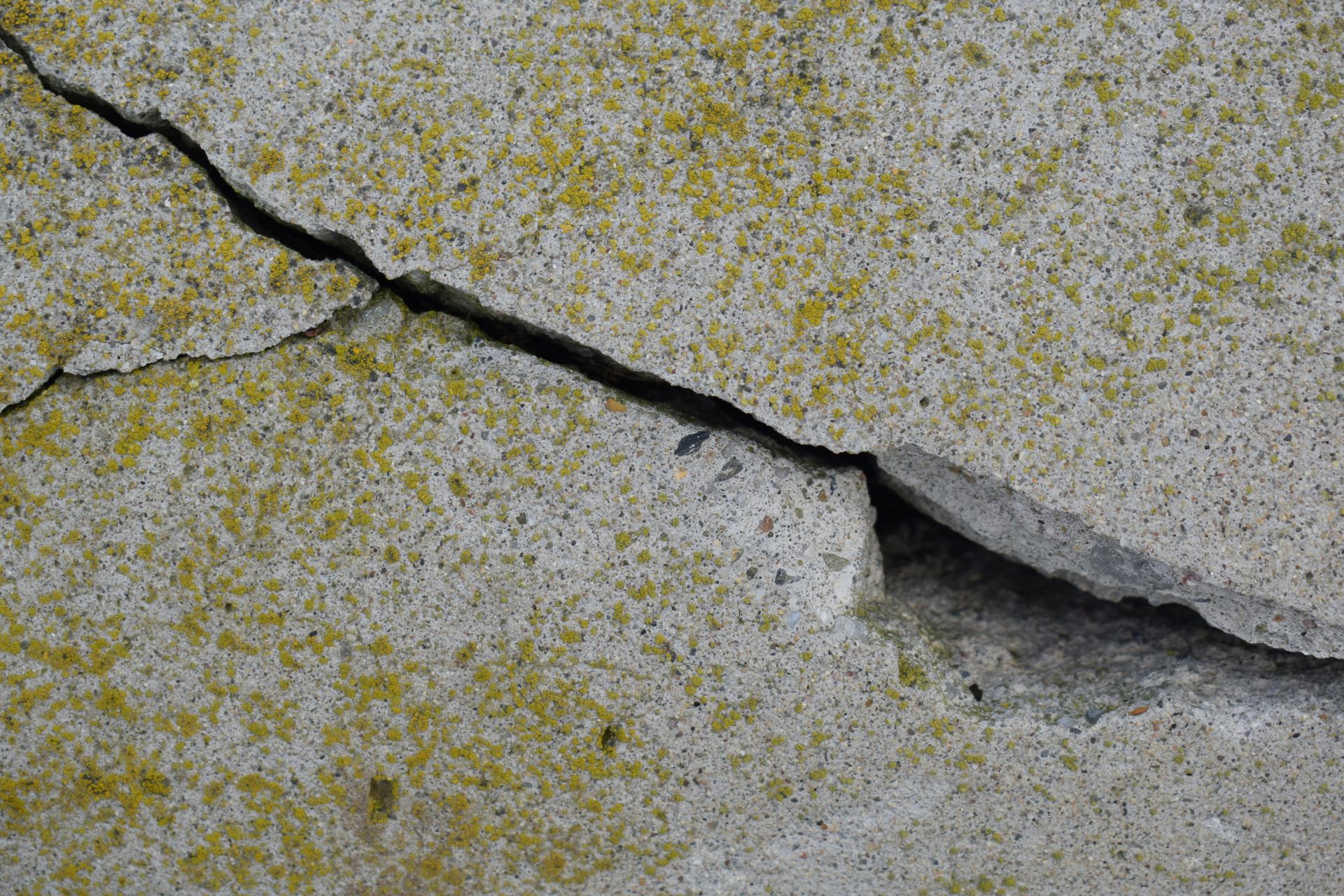
Why Proper Joint Sealing Prevents Structural Cracks
The Invisible Lines That Hold Buildings Together
In South Africa’s construction landscape, from the high-rise commercial towers of Sandton to industrial warehouses in Durban and residential estates spreading across Gauteng’s urban edge, concrete and masonry remain the backbone of the built environment. They are materials trusted for strength, longevity and cost efficiency. Yet beneath their apparent solidity lies a constant negotiation with movement. Temperature fluctuations, soil behaviour, moisture variation and operational loads all introduce forces that concrete and brickwork must accommodate. The failure to manage this movement does not announce itself immediately. Instead, it reveals its presence through hairline fractures that widen over time, telegraphing stress through walls, slabs and façades.
Joint sealing is often perceived as a finishing trade, a line of flexible material pressed between rigid elements at the end of a build. In reality, it is a micro-engineering decision with macro consequences. The quality of a joint, its depth, width, backing material and sealant type, determines whether a structure absorbs stress quietly or broadcasts it through cracks. In a country where climate variation ranges from the dry Highveld winter to the humid coastal summers of KwaZulu-Natal, movement control is not optional. It is fundamental.
Proper joint sealing prevents structural cracking because it respects the fact that no building is static. It anticipates movement, channels it, contains it and protects the surrounding material from distress.
Understanding Movement in South African Concrete and Masonry
Concrete shrinks as it cures. Masonry expands and contracts as moisture content shifts. Steel reinforcement responds to temperature differently from surrounding concrete. Foundations respond to soil conditions that vary dramatically across provinces. In parts of Johannesburg and Pretoria, expansive clay soils swell during heavy rains and contract in dry spells. In the Western Cape, seasonal rainfall patterns introduce cycles of wetting and drying that subtly influence substructure behaviour.
Movement in structures occurs at multiple scales. Thermal expansion and contraction may seem negligible, yet across long façade runs or expansive slabs, millimetres accumulate into measurable displacement. Creep and shrinkage within concrete continue long after initial curing. Structural loading introduces deflection. Seismic activity, while generally moderate in South Africa, can still contribute to minor dynamic stresses.
Without properly designed and sealed joints, these movements seek release through the weakest path. Often that path is uncontrolled cracking. What begins as an aesthetic imperfection can evolve into moisture ingress, corrosion of reinforcement, spalling and ultimately compromised structural integrity.
Movement joints, expansion joints, control joints and construction joints exist to guide this inevitable movement into predictable zones. The sealant installed within these joints is not decorative. It is a flexible buffer engineered to stretch, compress and recover repeatedly while maintaining adhesion to adjacent substrates.
Micro-Engineering Decisions at the Joint Interface
At the scale of a building, a joint may appear insignificant. At the scale of material science, it is a complex interface where chemistry, physics and workmanship converge.
The width-to-depth ratio of a joint determines how a sealant performs under stress. Too shallow, and the sealant may tear under tension. Too deep, and it becomes rigid, losing its ability to flex. The introduction of a backer rod controls sealant geometry, ensuring a two-sided bond rather than a three-sided adhesion that restricts movement and accelerates failure. This small cylindrical insert, often overlooked, is a decisive micro-engineering component.
Surface preparation is equally critical. Dust, laitance and moisture compromise adhesion. In South Africa’s fast-paced construction environment, where deadlines press and weather windows narrow, insufficient surface preparation can transform a high-performance sealant into a temporary filler.
Sealant selection must align with environmental exposure. Polyurethane, silicone and hybrid sealants each exhibit distinct elongation capacities, UV resistance and chemical tolerances. In coastal cities such as Cape Town and Durban, high salinity levels intensify corrosion risks. A failed joint in these regions accelerates deterioration by allowing chloride-laden moisture to penetrate the structure.
The precision of these decisions determines whether the joint becomes a controlled relief mechanism or a future fault line.
The Climate Factor: South Africa’s Environmental Demands
South Africa’s climatic diversity places unique demands on joint performance. The Highveld experiences sharp temperature differentials between day and night, particularly in winter. These rapid fluctuations drive repeated expansion and contraction cycles in exposed slabs and façades. In arid regions, intense solar radiation increases surface temperatures significantly above ambient air levels, amplifying thermal movement.
Along the coast, humidity and driving rain introduce sustained moisture exposure. Wind-driven water tests façade joints relentlessly. In the Eastern Cape, seasonal storms subject buildings to pressure differentials that exploit even minor imperfections in sealing.
These environmental variables mean that joint sealing cannot follow a one-size-fits-all approach. Sealant movement capability must exceed anticipated joint movement. UV stability becomes a priority for exposed applications. Resistance to mould growth may be critical in humid conditions.
When joints are designed and sealed with environmental realities in mind, they act as adaptive membranes, absorbing climatic stress while protecting structural components from fatigue.
Concrete Shrinkage and Control Joints
Concrete shrinkage is inevitable. As water evaporates during curing, the material reduces in volume. Without pre-planned control joints, this shrinkage generates random cracking. The purpose of a control joint is to create a deliberate plane of weakness where cracking can occur predictably and discreetly.
However, cutting a control joint is only half the equation. Leaving it unsealed invites water ingress. In industrial facilities, unsealed floor joints accumulate debris, chemicals and mechanical wear from forklifts and heavy machinery. Over time, joint edges spall, widening the gap and increasing stress concentration.
Sealing control joints preserves their function. A flexible sealant accommodates minor movements while protecting the underlying substrate. In logistics hubs around Gauteng and the Western Cape, where slab-on-ground performance is critical, properly sealed joints extend floor lifespan significantly.
This is a micro-engineering intervention with measurable economic impact. Reduced maintenance, fewer operational disruptions and longer service intervals translate directly into cost efficiency.
Masonry Expansion and Movement Accommodation
Clay brick masonry behaves differently from concrete. It tends to expand over time due to moisture absorption and thermal variation. Without adequate expansion joints, brickwork develops step cracks along mortar lines or vertical fractures near structural restraints.
In residential developments across South Africa, aesthetic cracking in face brick façades often traces back to insufficient or improperly sealed movement joints. While such cracks may not immediately compromise structural safety, they undermine durability and property value.
Properly designed expansion joints interrupt long runs of masonry, allowing controlled movement. The sealant within these joints must bond effectively to both brick and adjacent structural elements, accommodating differential movement between materials.
Attention to joint spacing, placement and sealing ensures that brickwork remains stable and visually coherent over decades rather than years.
Water Ingress: The Silent Amplifier of Structural Cracks
Water is rarely the origin of structural cracking, but it is often the accelerant. Once a crack forms, moisture penetrates, saturating reinforcement and initiating corrosion. Corroding steel expands, exerting internal pressure that widens cracks and causes concrete cover to spall.
In coastal provinces, chloride-induced corrosion progresses rapidly. In inland regions, freeze-thaw cycles are less prevalent than in colder climates, but moisture-driven deterioration remains significant.
Proper joint sealing interrupts this chain reaction. By maintaining watertight integrity at movement interfaces, sealants prevent moisture from entering vulnerable zones. The building envelope remains resilient, and internal reinforcement remains protected.
This protective function extends beyond structural elements. In commercial buildings, water ingress leads to mould growth, interior damage and tenant disruption. A failed joint can cascade into reputational and financial consequences for property owners.
Maintenance Realities in South African Construction
Construction and building maintenance in South Africa often operate within tight budgetary constraints. Preventative maintenance is sometimes deferred until visible damage demands intervention. Joint sealing, being relatively inconspicuous, is frequently overlooked in maintenance planning.
Yet resealing joints at appropriate intervals is significantly less costly than repairing cracked slabs, corroded reinforcement or deteriorated façades. Scheduled inspections, particularly after extreme weather events, can identify early sealant degradation.
• Cracking along joint edges • Loss of adhesion • Sealant hardening or tearing
Addressing these signs early preserves structural integrity and avoids major remediation works.
Maintenance teams in commercial property portfolios increasingly recognise joint sealing as part of asset management strategy rather than cosmetic upkeep. This shift reflects a broader understanding that movement control is integral to building longevity.
The Economic Case for Precision
Joint sealing represents a small fraction of overall construction cost. However, its failure can compromise high-value structural elements. In infrastructure projects such as parking decks, shopping centres and industrial facilities, cracking can necessitate disruptive and expensive repairs.
Precision in joint design and execution reduces lifecycle costs. Specifying high-performance sealants, training installers adequately and enforcing quality control measures ensures consistent performance.
Developers and contractors who prioritise these micro-decisions position their projects for durability in a competitive market where long-term performance increasingly influences valuation.
Regulatory and Best Practice Considerations
South African building standards emphasise structural safety and durability. While codes may not prescribe specific sealant brands or installation techniques, they require that structures accommodate anticipated movement and environmental exposure.
Professional engineers and architects play a critical role in detailing joints appropriately. Collaboration between design teams and contractors ensures that theoretical movement calculations translate into practical installation guidelines.
Quality assurance processes, including adhesion testing and inspection protocols, reinforce compliance and performance expectations.
Case Context: Urban High-Rise Versus Industrial Slab
A high-rise building in central Johannesburg experiences wind-induced sway, thermal façade movement and differential settlement over time. Façade joints must accommodate multi-directional movement without compromising weatherproofing.
An industrial slab in Ekurhuleni, by contrast, must withstand heavy point loads, thermal cycling and shrinkage stresses. Joint sealing here focuses on abrasion resistance and load transfer compatibility.
Though the scale and context differ, the underlying principle remains constant. Controlled movement prevents uncontrolled cracking. Micro-engineering decisions at each joint determine structural resilience.
Small Lines, Long Lifespans
Buildings appear monolithic, yet they are composed of interconnected elements constantly responding to environmental and structural forces. Joint sealing is the discipline that acknowledges this reality. It accepts movement as inevitable and designs for it with precision.
In South Africa’s varied climate and construction landscape, proper joint sealing is not an afterthought. It is a proactive measure that safeguards concrete and masonry against premature cracking, water ingress and long-term deterioration.
The line of sealant pressed between two rigid surfaces may seem minor in scale. In practice, it is a flexible covenant between materials, ensuring that movement remains controlled, cracks remain prevented and structures endure.