

Gauteng handyman services: 10 property repair misconceptions that can cost you time and money
Gauteng handyman services: 10 property repair misconceptions that can cost you time and money
A loose cupboard door, a sticking entrance door or a damaged tile may not look urgent on its own. Yet small defects can make a home uncomfortable, disrupt a workplace or create a poor impression for a tenant or customer. When a list grows, the difficult question is often not whether to fix it, but which jobs belong together and who should handle them.
Handyman services can be useful for a range of everyday property repairs, but expectations matter. A good appointment starts with a clear description of the problems and an honest discussion about the work that can be completed safely. It also recognises when a specialist is needed.
Here are ten common misconceptions about Gauteng handyman services and a more practical way to approach maintenance.
1. Small repairs can always wait
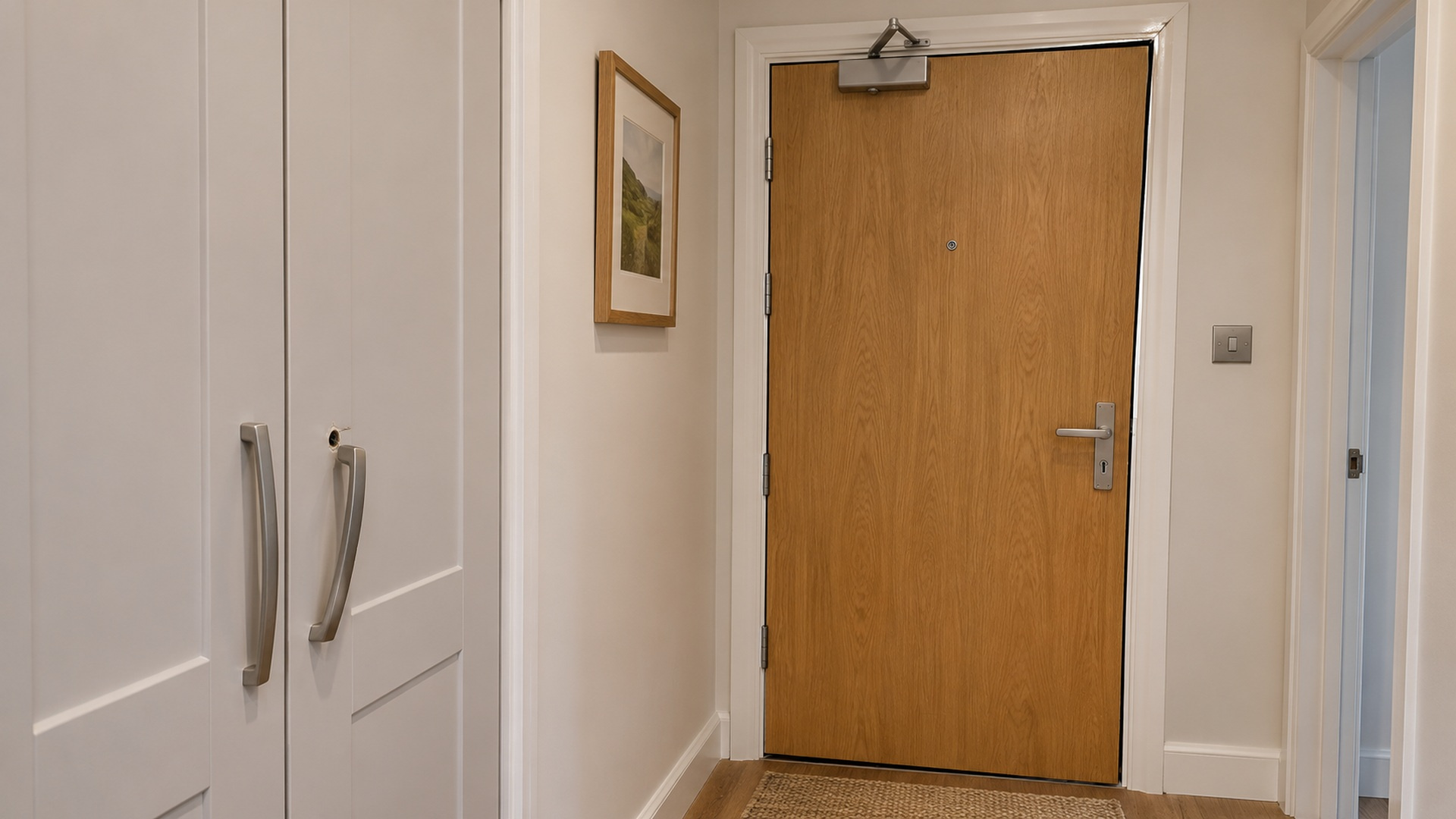
Some minor defects can be scheduled conveniently. A loose cupboard handle, for example, might be an inconvenience rather than an emergency. Others can become more disruptive if ignored. A door that catches every time it closes may place additional strain on its hinges or lock. A loose floor tile in a busy passage can become a trip concern, while an unresolved source of damp can undermine a cosmetic repair.
The visible size of a defect does not tell you everything about its importance. Consider where it is, how people use the area and whether the condition is changing. A sticking door on an infrequently used store room has different implications from a door used throughout the working day or one needed for safe access.
Keep a simple list with a short description, location and photograph. Mark items that affect safety, security or essential use for prompt attention. If there is an immediate danger, keep people away from the area and contact an appropriate emergency professional rather than waiting for a routine visit.
2. One handyman can legally and safely do every job
A handyman may be suitable for many general tasks, from adjusting a cupboard hinge to replacing a fitting or attending to minor finishes. That does not mean every task belongs in a general maintenance visit. Electrical installation work, significant plumbing work, structural concerns and other regulated or specialist tasks need people with the appropriate competence and, where applicable, registration.
For electrical work, the Department of Employment and Labour advises property owners and businesses to engage competent, legally registered electrical contractors. Its notice on electrical installation compliance also explains that a certificate of compliance follows proper inspection and testing. A general repair quotation is not a substitute for that process.
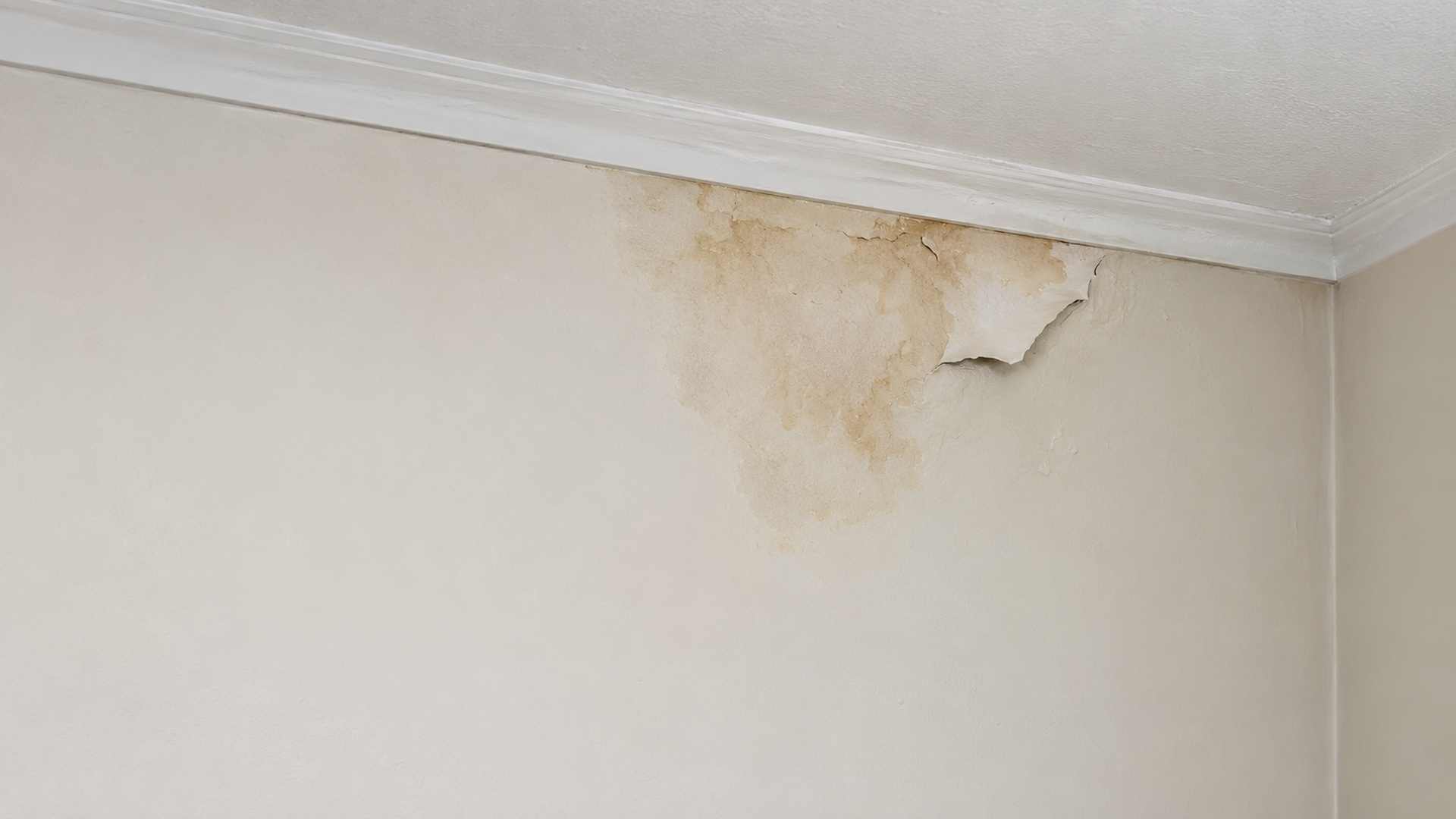
Describe the symptom rather than assuming the solution. “The socket is warm and trips the circuit” communicates a concern that needs electrical attention. Do not request that someone simply replace the cover and move on. Similarly, a ceiling stain can have several causes; painting it without investigating moisture may only hide the evidence temporarily.
3. The cheapest quote is always the best value
Price matters, especially when several small tasks compete for the same budget. But two prices are useful to compare only when they cover comparable work. One may include materials, protection and disposal; another may cover labour alone. An allowance for an unknown fault is different from a fixed price for a clearly defined task.
Ask each provider to describe the scope in writing. For a cupboard repair, does the price cover adjusting existing hinges or replacing them? For a door, does it include the lock, frame and final alignment, or only the handle? For a tile repair, is a replacement tile available and is work beneath the tile included if a problem is found?
Also check call-out charges, minimum visit fees, travel, payment terms and how additional work will be approved. A higher quote is not automatically better either. The useful comparison is between the work, materials, limitations and communication you receive for the price.
4. A photo is enough to give a final price for every repair
Photographs are an excellent starting point. They help a contractor see the location, approximate scale and visible condition before a visit. Several images can be better than one: take a wide view for context, a closer view of the problem and a photograph of any relevant fitting or label.
A photograph cannot reliably reveal every hidden condition. A cracked tile may be isolated, or there may be a problem with the surface underneath. A door may catch because of a loose hinge, damage to the frame or another issue that requires closer assessment. A quote given from photographs may therefore be an estimate, or it may depend on what is found on site.
Ask what the estimate assumes and whether inspection will change the price. Agree that any additional work needs your approval before it starts. This protects both parties from treating an uncertain scope as if it were already known.
5. If it looks fixed, the underlying problem is solved
A neat finish is important, but appearance and performance are not the same thing. Filling a crack, touching up paint or replacing a damaged fitting may improve the surface while leaving the source of the problem unresolved. A recurring crack or repeated water mark deserves investigation rather than an endless sequence of cosmetic touch-ups.
Moisture is a useful example. The US Environmental Protection Agency's guidance on moisture and mould recommends fixing water problems and drying affected surfaces before painting; paint over mouldy surfaces is likely to peel. The guidance is general building advice, not a diagnosis of any particular South African property.
Ask what the proposed repair addresses and what it does not. If a handyman sees signs that point beyond the agreed task, an appropriate next step may be a plumbing, waterproofing or other specialist assessment. Do not assume that every mark proves a hidden defect, either: observations need to be assessed in context.
6. A longer task list always means a longer and more expensive project
Grouping compatible small tasks can make a visit more efficient. A single appointment might include adjusting several cupboard doors, refixing a loose handle and completing minor touch-ups in the same property, provided the contractor has the right skills, materials and time. The saving is not guaranteed: some tasks need different trades, drying periods, special parts or a return visit.
Prepare the list before requesting a quote. Identify each item separately and note its location. Distinguish between urgent defects and work that can be deferred. If the property is occupied, include any restrictions on access, noise, parking and working hours. Let the contractor know if the work involves a ladder, an unusual fitting or a difficult-to-match finish.
Ask which jobs can reasonably be combined and which should be priced or scheduled separately. Grouping is most useful when it gives the person doing the work enough information to prepare, not when a large, undefined list is presented at the door.
7. All replacement parts and finishes will match perfectly
Matching is often possible, but not automatic. A discontinued hinge may need an alternative. A painted wall can change in appearance as its existing coating ages, even when the original colour is known. Tiles from different production batches can vary, and a spare tile stored years ago may differ slightly from the surrounding floor.
Before work begins, say whether an exact visual match is essential or whether a close practical match is acceptable. Share any spare tiles, paint information or model details you already have. Ask whether the quote includes sourcing parts and what happens if the original product is no longer available.
For prominent areas, discuss whether a small repair will remain visible and what alternatives exist. Replacing a wider section may produce a more consistent appearance but cost more and create additional disruption. The best choice depends on the property's use, your budget and the condition of the surrounding finish.
8. The contractor needs no preparation from the property owner
A good contractor should explain what they need, but a little preparation from the owner, tenant or manager helps the appointment run smoothly. Make the problem areas accessible, arrange permission where required and identify a person who can answer questions on site. For a rental property or managed complex, confirm who may approve the work and whether access rules apply.
Let the provider know about pets, restricted rooms and sensitive equipment. Ask what they will protect or move and agree on any preparation you must complete. Do not attempt to make an unsafe area accessible yourself. If water is near electrical fittings or there are signs of a serious electrical fault, keep clear and seek appropriate professional help.
For a workplace, also consider disruption. A repair beside a reception desk, a shop entrance or a shared passage may need to be timed around customers and staff. Clear communication helps the contractor plan a practical visit without promising that every interruption can be avoided.
9. A repair appointment and an emergency response are interchangeable
A routine maintenance list is different from an urgent incident. A faulty cupboard hinge can usually be discussed and scheduled. A burst pipe, a suspected electrical danger or a door that cannot be secured may require a more urgent and specialised response. Availability and response times should be confirmed directly; they should never be assumed from a service description.
When contacting a provider, explain what has happened, whether the situation is ongoing and who or what may be affected. If you can safely do so, follow the property's established emergency procedures and keep people away from the hazard. Do not touch wet electrical equipment or open electrical enclosures. For an immediate threat, contact the appropriate emergency services or qualified professional.
Once the immediate problem is controlled, a separate visit may still be needed for related finishes or fittings. Agree on where emergency work ends and subsequent property repairs begin so the scope and costs are clear.
10. Once the work is done, there is nothing to review
A short handover is useful even for modest jobs. Check the agreed list with the contractor, operate repaired doors or cupboards where safe, and discuss any item that could not be completed. Ask about drying or curing time before using a treated surface. If a part has been replaced, ask for any relevant product instructions or care information.
Keep the quotation, invoice and any written details of the work. If the provider offers a workmanship warranty, obtain its terms in writing and understand what it covers and excludes. A warranty is not a promise that unrelated faults or ordinary wear will never occur.
If you notice a problem after the visit, report it promptly with a clear description and photographs. Good records make it easier to explain what changed and agree on the next step.
A more useful way to plan your repair list
Start with the result you need: a door that closes properly, a cupboard that functions, or a damaged finish that can be assessed. Add the location, photographs, access information and any known history. Then ask a provider to separate the tasks they can handle from those that need a specialist.
Request a written scope, clarify materials and ask how unexpected findings will be priced. A responsible response may include limits or a recommendation for further assessment. That clarity is valuable because it helps you plan around the work rather than discovering assumptions after it has started.
Building Companies offers Gauteng handyman and property repair services for practical maintenance tasks. To discuss your list, contact the team with the property location, photographs and a short description of each issue. The appropriate next step can then be agreed before work begins.