

Plumbing repairs or geyser replacement? How to compare your options in Gauteng
Plumbing repairs or geyser replacement? How to compare your options in Gauteng
A leaking pipe, a blocked drain or a cold shower can quickly interrupt a household or working day. The first question is often, “What will it cost?” A better starting point is, “What has actually failed, and which options address it?”
A repair may be appropriate when an accessible component has failed and the rest of the installation is in suitable condition. Replacement may make better sense when the affected component cannot be repaired reliably, compatible parts are unavailable, or inspection reveals broader deterioration. Neither approach should be assumed from the symptom alone.
This guide compares common plumbing and geyser decisions for Gauteng homes and small commercial properties. It also explains how to compare quotes and what information to provide when requesting an assessment. It is not a diagnosis or a substitute for work by an appropriately qualified professional.
First distinguish the symptom from the cause
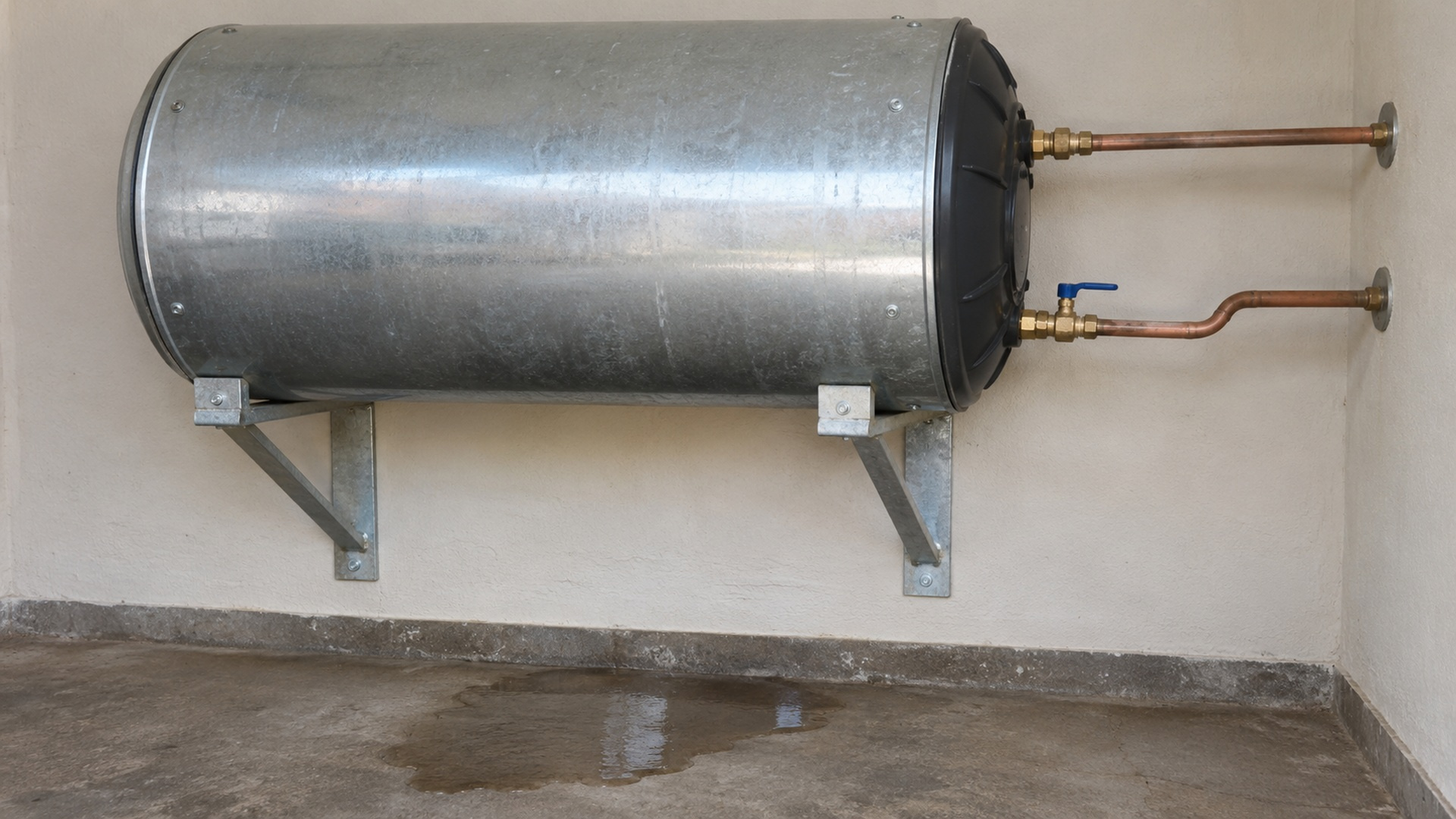
A puddle below a geyser does not automatically mean the tank needs replacement. Water could come from an accessible connection, a valve, the vessel itself or another source nearby. Similarly, low pressure at one tap can suggest a different problem from low pressure throughout a property. A slow drain may be local to one fixture, while multiple affected fixtures can point to a wider drainage issue.
The distinction matters because the appropriate scope and price can differ substantially. A quote for replacing a complete unit should explain why that is recommended and what inspection established. A quote for a small repair should explain what it addresses and whether any surrounding condition remains uncertain.
Tell the plumber when the problem started, where it occurs and whether it is constant or intermittent. Mention recent work, changes in water supply and whether neighbouring fixtures are affected. Photographs and a short video can help communicate the visible symptoms, but cannot prove what is happening behind a wall or inside a vessel.
Repairing a leak versus replacing a pipe section
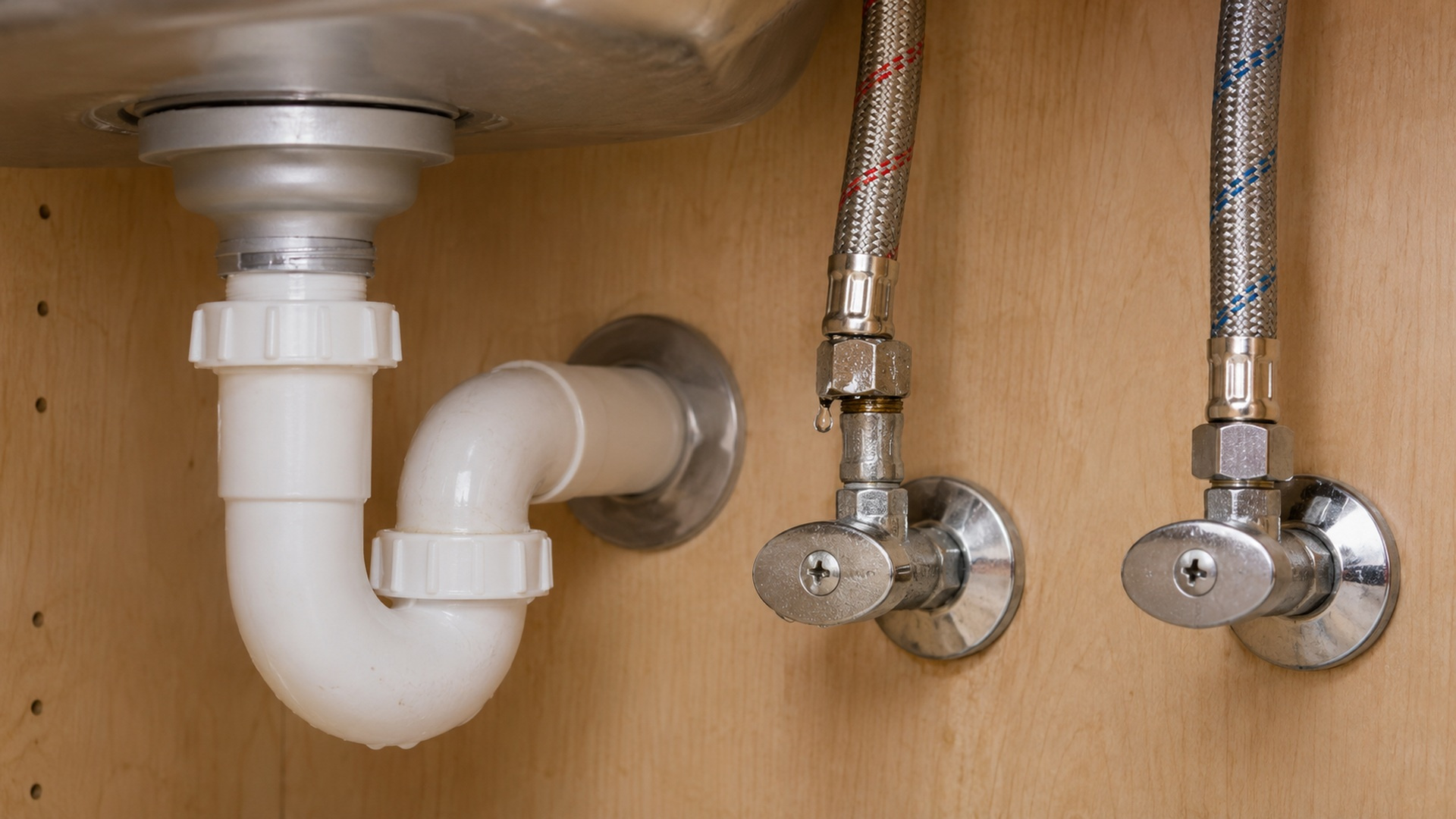
A leak at an accessible joint may be a localised issue. Depending on the material, condition and installation, the plumber may be able to correct or replace the affected fitting. If the pipe itself is damaged or surrounding sections are also deteriorated, a longer section may need replacement. The choice depends on the observed condition, access and compatibility of the existing system.
A local repair can involve less disturbance when the surrounding pipe is sound and the connection can be made properly. Its limitation is that it does not renew the rest of an ageing system. Replacing a larger section can address a wider area of deterioration, but may involve opening finishes, additional materials and more time without being justified in every situation.
Ask the plumber what they have inspected, whether the price includes making good walls or ceilings, and how the repair will be tested. If finishes must be opened, request an explanation of what will happen if the visible damage extends further than expected. Agree on approval and pricing before expanding the scope.
A hidden leak may need investigation before a reliable quote is possible. Water can travel along surfaces before becoming visible, so a mark on a wall does not necessarily identify the exact source. Avoid presenting the location of a stain as a confirmed diagnosis.
A geyser component repair versus a complete replacement
Electric storage geysers contain several components and connect to a wider plumbing and electrical installation. A fault may involve a replaceable component, a connection or the storage vessel itself. Whether repair is suitable depends on the fault, the condition of the unit, parts availability and the assessment of the relevant professional.
A component repair may cost less initially and avoid replacing a sound vessel. It does not make an older installation new, and the rest of the system may still require attention. Replacing the whole geyser can be appropriate when the vessel has failed or the overall condition makes replacement more sensible. However, the purchase price of a new unit is only part of the decision: access, associated fittings, installation work and disposal can also affect the quotation.
Ask for the fault to be described in plain language. Request separate prices, where feasible, for the proposed repair and a suitable replacement, with their assumptions. A comparison should explain which components are included, the expected disruption, product and workmanship warranty terms, and whether the existing location and connections are suitable.
Do not assume that a new unit is automatically the correct size for the household or business. Equally, do not assume that a larger tank always solves a hot-water problem. Usage patterns, recovery, space, supply and the condition of the system all matter. Ask the installer to explain the recommendation for your circumstances.
Storage and instant water heating: different trade-offs
A storage geyser heats and stores water for later use. Its available hot water depends on the vessel, settings, incoming water and pattern of demand. It occupies space and stores heated water even when demand changes. For many properties, it is already part of the existing plumbing layout, which can make a like-for-like replacement simpler to assess.
An instantaneous water heater heats water as it flows through the appliance. It does not rely on a large storage vessel, but its suitability depends on the type of unit, required flow and temperature rise, available electrical or fuel supply, and installation requirements. It should not be selected solely because it is compact or advertised as efficient.
The comparison is therefore about the whole installation, not just the appliance price. A unit serving a single basin has a different demand from one expected to supply multiple showers or a commercial kitchen. Electrical capacity, water pressure, ventilation where relevant, location and maintenance access must be assessed. Any electrical installation changes require the appropriate registered electrical professional.
Ask suppliers to state the assumptions behind their recommendation. How many outlets will operate at once? What work is included to connect the appliance? Is the quoted price for the unit alone or for the completed installation? Which after-sales support and warranties apply? Obtain a site-specific assessment before treating a product comparison as a final installation plan.
Blocked drain: local clearing or a broader investigation?
A basin that drains slowly may have a local obstruction. If several fixtures are affected, the blockage returns, or there are signs of overflow, the plumber may recommend investigating a larger part of the system. The cheapest first attempt is not necessarily the most useful if the underlying problem remains unclear.
A straightforward clearing service may be suitable for an accessible, isolated blockage. A more involved investigation may be appropriate when the issue repeatedly returns or the route and condition of the drain are uncertain. Ask whether the quoted method is diagnostic, a clearing attempt, or a repair to a confirmed defect. Those are different services and should not be represented as interchangeable.
Avoid mixing drain-cleaning chemicals or asking someone to work on a drain without mentioning products already used. Tell the provider what has been poured into it, when, and whether water is backing up. Chemical exposure can create additional risks. Keep occupants away from overflowing wastewater and seek prompt assistance when sanitation is affected.
Where an investigation identifies damaged pipework, ask how the finding was established and whether a repair is urgent. A recommendation to open a surface should include the expected location, the scope of reinstatement and the possibility of further findings once access is obtained.
Repairing one fixture versus investigating low pressure
Low water pressure is a description of performance, not a single diagnosis. A problem limited to one tap or shower may have a local cause. If the entire building is affected, the supply or a shared part of the installation may need investigation. Hot-only problems may require a different assessment from issues affecting both hot and cold water.
A fixture replacement may improve a defective fitting, but it cannot be assumed to resolve every pressure issue. Conversely, replacing a major component without checking a simple local restriction may be unnecessary. Record which fixtures are affected, whether both hot and cold supplies are involved, and whether the issue changes by time of day.
For a business, note whether the change affects one tenant, an entire floor or specific equipment. Inform the plumber about any access restrictions and critical operating hours. If a water interruption will affect staff, customers or tenants, ask for an estimated isolation period and a plan for communicating any extension.
Comparing quotations on equal terms
A useful plumbing quote identifies the work being priced and the conditions under which it may change. Compare more than the total. One price may cover a call-out and diagnosis, while another includes a component and installation. A replacement quote may exclude electrical alterations or making good finishes. Unless the boundaries are clear, the cheaper figure may not describe an equivalent service.
Ask each provider to identify:
- The reported fault and the inspection or assumptions behind the recommendation.
- Labour, parts and any call-out or travel charge.
- Whether water or electricity must be isolated and who will perform that work.
- Access requirements and whether ceilings, walls or cabinetry may need opening.
- Testing, cleanup, disposal and reinstatement included in the price.
- Product and workmanship warranty terms, including exclusions.
- How hidden damage or additional work will be explained and approved.
Ask for written confirmation of whether the price is fixed or an estimate. Emergency or after-hours rates may differ from routine work, so clarify those before authorising a visit. A professional may reasonably need to inspect before giving a firm price. That is preferable to a precise figure based on facts nobody has yet established.
Safety and immediate decisions
If water is approaching electrical fittings, keep people away and do not touch wet electrical equipment. If it is safe to do so, follow the property's established procedure for isolating the water supply and call an appropriate professional. Do not enter a flooded ceiling space or attempt to disconnect electrical equipment around water. If there is an immediate danger, contact the relevant emergency services.
A sudden geyser leak, an overflowing drain or a burst pipe may justify an urgent response. Ask about availability and call-out terms when you contact the provider. A routine estimate is not a promise of emergency attendance, and an emergency visit may address immediate containment before a permanent repair is agreed.
The Department of Employment and Labour recommends engaging competent, legally registered electrical contractors for electrical installation work and explains that a certificate of compliance follows proper inspection and testing. See its electrical compliance notice. Do not assume that a plumbing quote automatically covers electrical certification or work outside the plumber's scope.
Preparing for an assessment
Give the property address or area, a contact number and access details. Describe the affected fixture, when the symptoms began, whether water is still leaking and whether the problem affects other outlets. For a geyser, share a photograph of the unit and its existing label if safely accessible; do not climb into an unsafe space to obtain it.
For a rental or managed property, confirm who can authorise inspection, expenditure and access. Ask whether the plumber needs parking, a building permit or a particular time window. If the water will be shut off, notify affected occupants and arrange around essential activities where possible.
After the work, ask what was repaired or replaced, how it was tested and whether any further action is recommended. Retain the invoice, warranty documents and any relevant instructions. If a concern recurs, a clear record of the original symptoms and work can help the next assessment.
Choose the solution that fits the evidence
There is no universal winner between repair and replacement. A focused repair can be a sensible choice when the fault is local and the surrounding installation is suitable. Replacement can be justified where the failed item or broader condition makes it the better practical option. The comparison becomes meaningful when the scope, risk, exclusions and total costs are clear.
Building Companies offers Gauteng plumbing repairs and geyser services. To discuss a leak, drainage concern or hot-water problem, contact the team with the symptoms and any safely obtained photographs. An assessment can establish the appropriate next step before work begins.