

Tiling and floor repairs in Gauteng: practical developments shaping better decisions
Tiling and floor repairs in Gauteng: practical developments shaping better decisions
A tile is only the visible part of a floor. Beneath it are the surface it bonds to, the adhesive, joints and, in some spaces, a waterproofing system. The finished floor must also suit the people who use it, the cleaning routine and the environment around it. Those practical considerations are increasingly central to discussions about tiling and floor repairs.
For Gauteng property owners, the useful question is not simply which tile looks fashionable. It is how the selected surface and installation will perform in a particular kitchen, bathroom, patio, office or retail area. A larger format, a textured finish or a rapid-return product may be attractive, but each comes with trade-offs.
Here are the developments and decision points worth considering when planning a repair or a new tiled surface. They are practical directions in the market, not claims that every product or property follows the same trend.
More attention to the surface beneath the tile
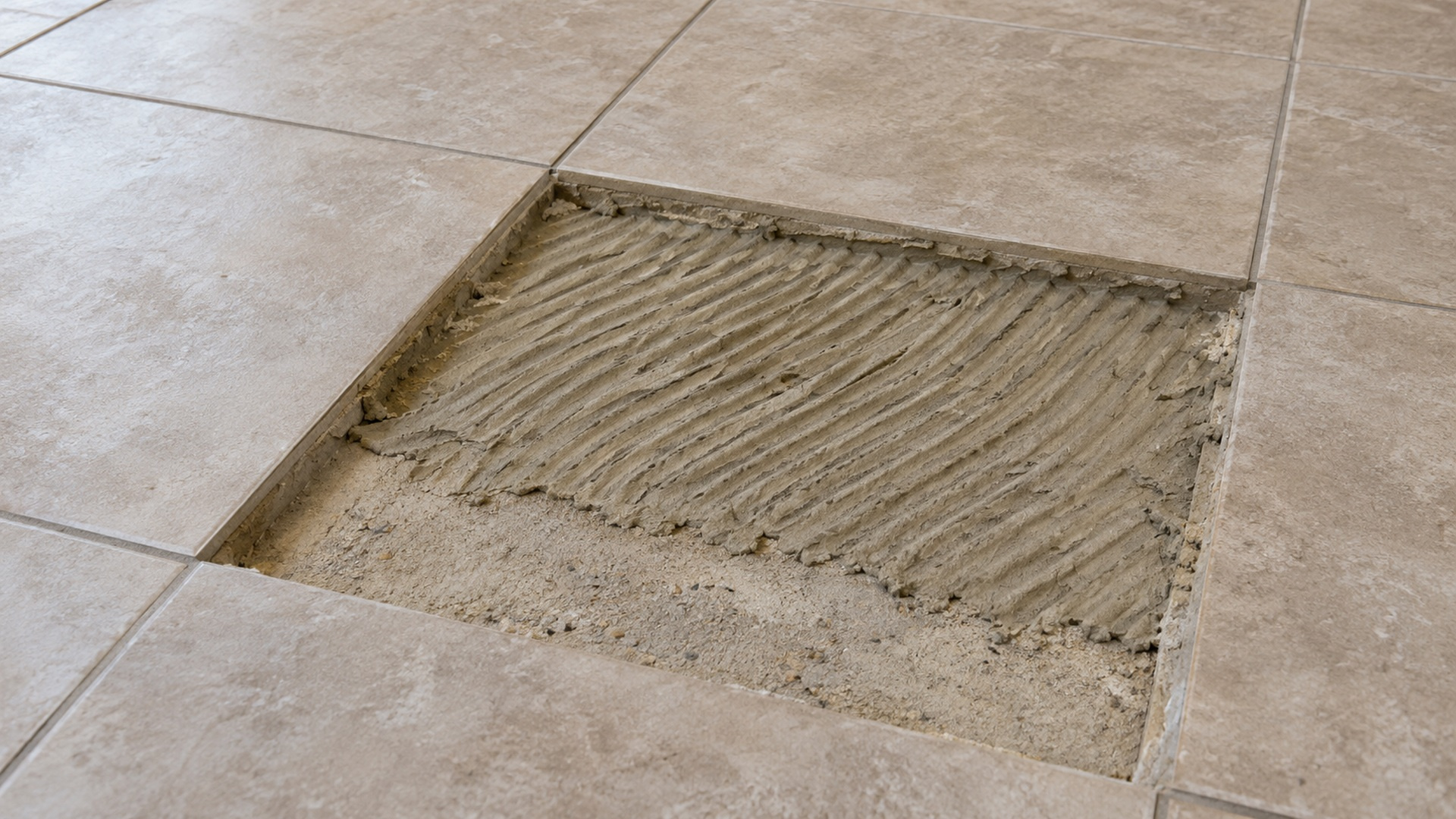
A floor can look level from across the room and still have local high or low points that affect tile placement. Loose material, contamination, moisture or movement in the base can also affect the suitability of a proposed installation. Repairing the visible tile without considering the surface below may leave the original problem unresolved.
This is especially relevant when an existing tile is loose or cracked. The defect may be confined to that tile, or it may signal a wider problem requiring investigation. The pattern, position and condition of surrounding tiles are useful clues, but they do not establish a cause on their own. A contractor should assess the area before promising that replacing one tile will solve a recurring defect.
Before accepting a quote, ask what preparation is included and what remains uncertain until the existing finish is removed. A price that includes removing a damaged tile is not necessarily a price to repair an unexpectedly damaged substrate. Agree how additional findings will be photographed, explained and priced.
For larger work, ask how the existing surface will be assessed for suitability and whether the proposed adhesive and preparation products are compatible with it. Manufacturer instructions and the selected system's requirements matter. An attractive tile cannot compensate for a base that was unsuitable for the installation.
Larger tiles bring a different set of demands
Large-format tiles can create a visually calm surface with fewer visible grout lines. They are available in a range of appearances and can work well in appropriately prepared spaces. Fewer joints do not mean an installation without joints, and the appearance of a single broad surface does not remove the need to account for movement.
Larger pieces can make variations in the underlying surface and differences between neighbouring edges more noticeable. They may require more careful planning around cuts, doorway transitions and drainage. Their size and weight can also affect handling and the practicality of future repairs. These factors can influence labour, waste and the extent of preparation required.
In a shower or another area with a drain, discuss how the tile size works with the floor's required falls and the drain configuration. A visually appealing tile is not automatically the easiest option for every slope or layout. The right solution depends on the actual dimensions, selected products and installation design.
Ask to see the proposed layout before ordering. Consider how partial tiles will look at walls, where thresholds fall and whether spare tiles can be retained. A slightly different layout can sometimes reduce awkward cuts without changing the tile itself.
Slip resistance needs a setting-specific conversation
A polished tile can look attractive in a showroom, but a floor's suitability depends on how and where it is used. Bathrooms, sheltered entrances, outdoor patios and commercial walkways can all experience different combinations of water, footwear, dirt and cleaning products. A single appearance or marketing description does not describe every condition.
Ask for the product's documented slip-resistance information and how it relates to the intended use. A supplier or designer should explain the test or classification cited and whether it addresses the expected wet or dry conditions. Do not assume that a rough-looking tile is automatically appropriate or that one rating answers every question about safety.
There are maintenance trade-offs too. A heavily textured surface may provide a different feel underfoot but can be more difficult to clean. Residue from unsuitable cleaning products can affect the surface in use. For a business, an appropriate choice must consider cleaning capacity, traffic, access and the consequences of a slippery entrance during rain.
Where the choice affects public or workplace safety, seek advice appropriate to the premises and applicable requirements. Product information is useful evidence, but it cannot guarantee that a floor will never be slippery in service.
Waterproofing is a system, not a grout colour
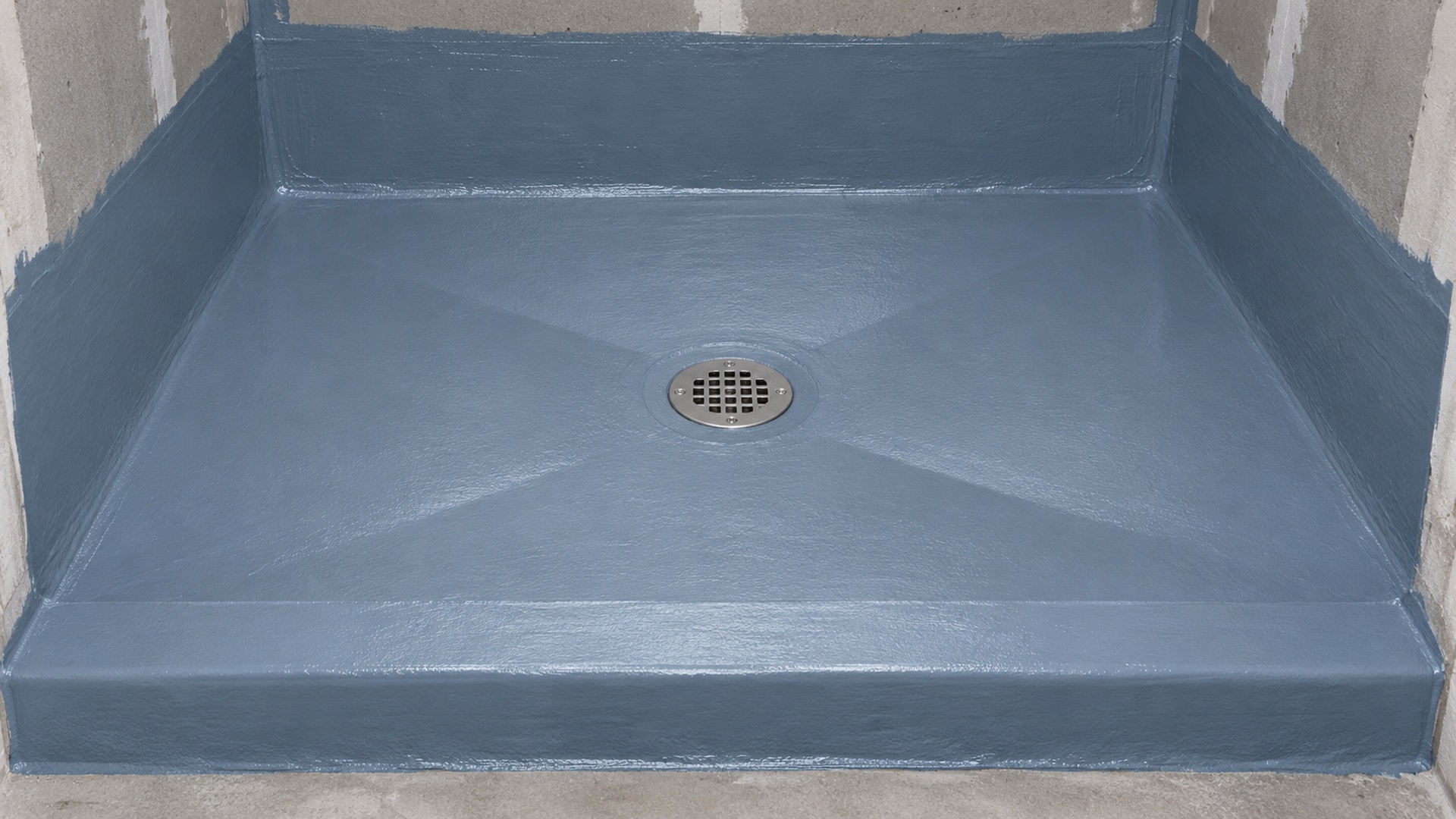
Tiled bathrooms and balconies are often discussed as though the visible tile and grout are the waterproof layer. In reality, the complete assembly and its details matter. Tile and grout should not be assumed to replace a correctly designed waterproofing system where one is required. Junctions, penetrations, changes of plane and drainage are particularly important to discuss before work is covered.
A damaged grout joint is worth assessing, but regrouting alone may not resolve a failed waterproofing layer or another source of moisture. Conversely, a mark on a ceiling below a bathroom is not proof of one specific failure. A careful diagnosis can prevent unnecessary demolition as well as repeated cosmetic repairs.
Ask the contractor which system is proposed, what surface preparation it requires, and how it will connect at drains, corners and penetrations. Request the product instructions and clarify whether any testing is included before tiling. Where the scope requires specialist waterproofing or design, appoint an appropriately competent provider and coordinate the work between trades.
The US Environmental Protection Agency's moisture guidance emphasises addressing water problems and drying affected areas. That general principle is useful when planning repairs, although it does not identify the source of a leak or specify a South African installation detail.
Movement joints are part of the finish
Building materials can experience movement, and tiled areas need an appropriate joint design. Changes in temperature, exposure to sunlight, the size and geometry of the area, and movement in the supporting structure can all be relevant. Filling every visible gap with rigid grout simply because it looks uniform can undermine the intended function of a movement joint.
The location, spacing and materials for joints depend on the installation and applicable product and technical guidance. Existing structural or movement joints should not simply disappear beneath a new tiled finish. Perimeters and changes of plane also deserve attention in the proposed detail.
For an existing floor, a recurring crack that follows a line across multiple tiles warrants investigation rather than an automatic promise that replacing individual tiles will fix it. The visible pattern may help a professional decide what to examine, but it is not enough to diagnose structural movement by itself.
Ask how existing joints will be treated, what flexible materials are proposed where appropriate and whether the joint design will remain visible. A sensible answer should describe the actual floor rather than offer a generic promise that tiles will never crack.
Repair rather than replace: a careful comparison
Selective tile replacement can preserve a floor and reduce the amount of material removed when damage is limited and compatible replacement tiles are available. Grout restoration may also improve an otherwise sound area. Both options should begin with an assessment of why the defect occurred and whether the surrounding installation is suitable to retain.
A larger replacement may be more practical when many tiles are loose, the base needs extensive work, waterproofing must be accessed or a close visual match cannot be found. It can provide the opportunity to address the complete assembly, but it also increases cost, disruption and waste. A proposed full replacement should include a clear explanation of why a smaller scope is insufficient.
Compare the two options by asking about affected area, material availability, preparation, thresholds, disposal and finishing. What happens if removal reveals further damage? Is there a price for a defined initial area and a process for approving extra work? Will a repaired area blend with the existing floor, or should some visible difference be expected?
Keep spare tiles from a new installation where practical, including relevant product and batch information. They may improve the chance of a future match, although storage and ageing do not guarantee an invisible repair.
Grout choices and long-term maintenance
Grout contributes to the appearance and maintenance of a tiled surface, but the best choice depends on location, joint width, tile type and exposure. Product systems differ in their preparation, application, curing and cleaning requirements. Colour can affect the appearance of marks, but choosing a darker grout does not eliminate the need for cleaning or resolve movement and waterproofing issues.
Ask which grout product is proposed, whether it is suitable for the location and how it should be maintained. Check whether sealing is recommended by the relevant manufacturer; not every product has the same requirements. Harsh cleaning chemicals can damage certain materials or finishes, so follow the instructions for both tile and grout.
Where existing grout is cracked or missing, determine whether the issue is limited to the joint or whether neighbouring tiles are loose or moving. A simple regrout can refresh a sound installation, but it is a poor substitute for investigating a recurring fault. Ask what the scope includes and what the contractor will do if a larger issue becomes visible.
Planning around occupied homes and businesses
A floor repair affects more than the surface. Access routes, furniture, noise, dust, drying and the return to service all need planning. In a home, this could mean organising an alternative bathroom or keeping children and pets away from the work area. In a business, a blocked entrance or an unavailable washroom can interrupt customers and staff.
Ask the contractor to describe the sequence and realistic access restrictions. Product curing times depend on the materials and conditions; do not assume that a floor can carry normal traffic immediately because the tiles are in place. Confirm when light access, furniture and cleaning can resume, and what could change that estimate.
Protection is also part of the scope. Identify adjacent finishes, lift access, parking and waste removal. Agree who moves furniture or equipment, which areas will be protected and whether noisy work is limited to certain hours. In a complex or managed building, obtain the necessary permissions and notify affected occupants.
Questions that make a tiling quote useful
A clear quote should identify the floor area, tile and installation scope rather than relying on a single rate alone. Ask whether it includes removal, substrate preparation, waterproofing where relevant, adhesive, grout, movement-joint materials, trims and disposal. Confirm who supplies the tile and how extra cuts or breakages are handled.
Discuss the limits of inspection. A contractor may be able to see a loose tile but not the complete state of the base until the finish is lifted. Agree on a process for unexpected findings, including photographs and written approval before additional work. Ask whether reinstating adjacent paintwork, skirtings or cabinetry is included.
For a repair, ask how closely the replacement is expected to match. For a full installation, review the proposed layout, transitions and drainage details. Request product information and any workmanship warranty terms in writing. Compare quotations on the work actually included and do not assume that the lowest or highest price alone establishes quality.
A floor selected for the way it will be used
The most useful development in tiling is a shift towards discussing the whole floor: appearance, preparation, movement, water exposure, maintenance and the people who use it. Individual products continue to change, but no format or finish removes the need for an appropriate installation.
Building Companies provides tiling and floor repair services in Gauteng, including discussions about selective repairs and preparation. To request an assessment, contact the team with photographs, the location, approximate area and a description of the problem or intended use.